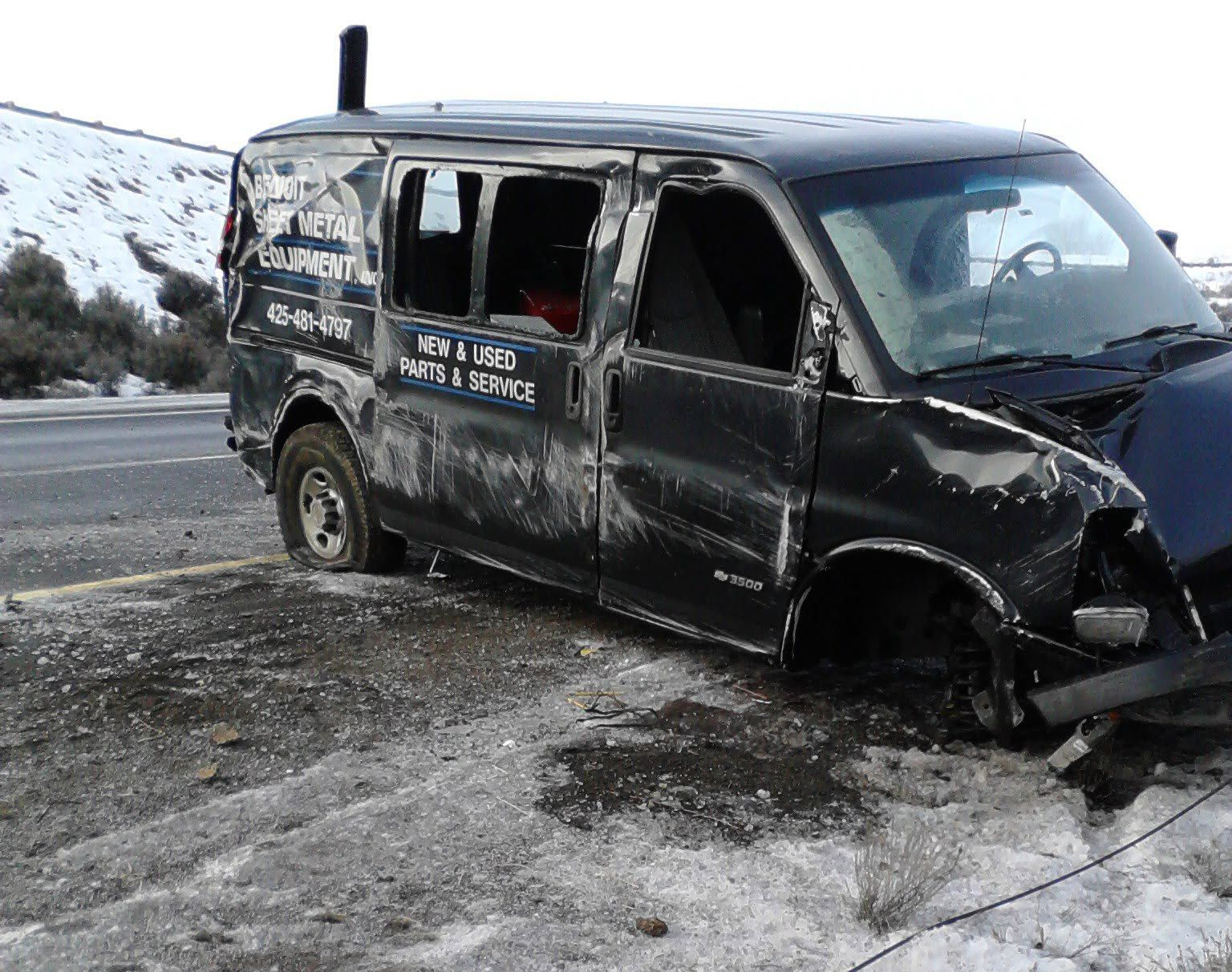
Stuck in Mud or a Ditch Off a Rural Road? How a Winch Out Works
Quick Answer: When your car is stuck in mud or has dropped a wheel into a ditch on a rural road, a winch out pulls it free with a cable instead of with engine power. The operator positions the truck on firm ground, attaches the line to solid points on your vehicle, and draws it out slowly along a planned path while you steer or stay clear as directed. It protects the car better than spinning the tires, which mostly digs the wheels deeper and can damage the transmission, axles, and bumper.
It rained most of the night, and the gravel road out to the property looked fine until it was not. You eased over to let a pickup pass, the right side tires slipped off the edge, and now the car is tilted toward an irrigation ditch with both passenger wheels sunk in brown muck. You tried backing out once. The tires spun, mud sprayed the fender, and the car settled another inch lower.
Getting stuck off a rural road is one of the most common calls a tow operator takes in farm country, and it happens in every season, not just winter. Spring thaw softens shoulders. Summer irrigation turns field edges to soup. Fall rain makes a dirt lane slick as grease. This guide explains what is actually holding your car in place, why the instinct to gun the engine backfires, and how a
professional winch out gets you back on solid ground without new damage.
Why Mud and Ditches Grab a Car So Hard
Mud is not just slippery dirt. Wet clay and silt create suction around a tire, almost like a boot stuck in a wet field. The deeper the wheel sinks, the more surface area the mud grips, and the harder it holds. When a car tilts into a ditch, gravity adds to the problem, pulling the vehicle down and sideways at the same time.
Soft shoulders are a big part of the story on rural roads. A gravel or dirt road may look firm in the travel lane, where traffic has packed it down, while the edge a foot over is loose fill that never gets compacted. Add a few days of rain or water running off a nearby field, and that edge gives way the moment a tire drifts onto it.
Around the Kittitas Valley, the mix of irrigation canals, ranch lanes, and county roads with little or no shoulder makes this a familiar scene, from the back roads near Kittitas and Thorp to forest access roads above Cle Elum and Roslyn.
Why Spinning the Tires Makes It Worse
The instinct to rock the car or press harder on the gas is understandable. Sometimes, in shallow mud with good tread, it even works. More often, it digs a deeper hole.
A spinning tire polishes the mud under it into a slick surface and throws material out from beneath the wheel. Each attempt lowers the car until it rests on its own underbody, with the frame, exhaust, or oil pan sitting on the dirt. Once that happens, the tires have almost no weight on them and nothing to push against.
Hard spinning also strains parts that are not built for it. Transmissions can overheat, especially with automatic models rocked between drive and reverse over and over. Axle shafts and CV joints take a beating when one wheel spins freely and the other suddenly grabs. On all wheel drive vehicles, the system that shares power between wheels can run hot. And if the car finally lurches free with the wheel turned, it can shoot right back toward the ditch.
Tip: If the first gentle attempt does not move the car, stop. Straighten the front wheels, put the car in park, and set the parking brake. A car that is stuck but level and resting on its tires is far easier and safer to winch than one that has spun itself down onto its frame.
What Happens When the Winch Truck Arrives
A winch out is a controlled pull, not a contest of strength. Here is how a careful operator typically works through it.
Reading The Situation
The operator walks around your car first. How deep are the wheels? Is the car resting on its underbody? Which direction leads to firm ground with the fewest obstacles? Is the ditch holding water, and is the vehicle at risk of tipping further? This look decides where the truck goes and which way the car will travel.
Positioning The Truck On Solid Ground
The truck has to stay put while it pulls, which means parking it on firm footing, often on the packed center of the road. On soft or sloped ground, the operator may set the truck's own brakes and blocks or anchor it so the pull does not drag the truck toward the ditch too.
Choosing The Attachment Points
The cable goes to strong points on your vehicle that can handle a real load, such as frame mounted recovery points or other structural spots the operator knows to use. Bumper covers, plastic trim, and the small loops meant only for tying a car down during shipping are not designed for this kind of pull. Using the wrong spot is how bumpers get torn off.
Setting The Angle
A straight pull is not always possible. If the best exit path is at an angle to where the truck can park, the operator may run the line through a pulley block anchored to the truck or another solid point. This changes the direction of the pull and, set up the right way, can reduce the strain on the winch.
Pulling Slowly And Steadily
With everyone clear of the cable, the winch takes up slack and then draws the car out gradually. Steady tension matters. A cable that goes slack and then snaps tight puts a sudden shock on the rigging and the vehicle. Depending on the situation, you may be asked to sit at the wheel and steer, or to stand well back while the car comes out.
Checking The Car On Solid Ground
Once the vehicle is back on firm road, the operator unhooks, takes a quick look underneath and around the wheels, and helps you decide whether the car is ready to drive or should be towed.
Warning: Stay well away from a winch cable under tension, and never step over it. A line or fitting that fails under load can whip with enough force to cause serious injury. If you are asked to stay in the car to steer, keep the windows up and follow the operator's signals exactly.
How to Help Before and During the Winch Out
There is not much you need to do, but a few small things make the recovery faster and safer.
Give A Clear Location
Share the road name, nearest intersection, mailbox number, mile marker, or nearby landmark. Drop a phone pin if your signal allows.
Describe What You See
Explain which wheels are stuck, whether the vehicle is tilted, and if water is present. Mention your vehicle type, all-wheel drive, low clearance, or attached trailer.
Stay Out Of The Ditch
Mud may conceal deep holes, debris, or fast-moving canal water. Stay inside if the vehicle is stable, or move to firm ground well away from traffic.
Unhitch Nothing And Dig Nothing Unless Asked
Shoveling can destabilize a vehicle or push wheels deeper. Leave equipment and recovery decisions to the operator.
Mud, Snow, and Sand Are Not the Same Job
Drivers in Central Washington see all three, and each one changes the recovery a little. Snow usually releases a car once the tires are pulled past the packed edge, though ice under the snow can make the car slide sideways during the pull. Sand shifts and flows around the tires, so the car often needs to be pulled a longer distance before it finds grip. Mud is the stickiest of the three. Its suction means the first few inches of the pull take the most force, and once the wheels break free, the car tends to move quickly, which is why a steady, controlled winch speed matters so much in muddy recoveries.
What to Check After You Are Free
Getting out of the mud is only half the job. Mud packed into the wrong places can cause trouble a few miles later.
Wheels And Tires
Heavy mud caked inside the wheels throws off their balance, which shows up as a shake at highway speed. Rinse it out before a long drive. Look for cuts or bulges in the sidewalls from rocks in the ditch.
Brakes
Mud and grit can work into brake parts and cause grinding or a pulling sensation. Test the brakes gently at low speed before heading onto a faster road.
Underbody And Radiator
If the car sat on its frame or plowed into the mud, look for dents, hanging plastic shields, or a bent exhaust. A front end that pushed into the mud may have packed the radiator and grille, which can lead to overheating.
Steering And Alignment
If the steering wheel sits off center or the car pulls to one side on a straight road, something may have bent when the wheel dropped into the ditch.
If anything feels wrong, it is safer to have the car towed to a shop than to drive on it and hope.
Frequently Asked Questions
Can a winch out damage my car?
A proper winch out is one of the gentlest ways to free a stuck car, using slow, steady force on strong structural points. Damage usually comes from rushed pulls or wrong attachment points.
Will my car need a tow after the winch out?
Often not. If the car comes out undamaged and drives normally, you can usually continue. If the steering feels off or something drags underneath, a tow to a shop is safer.
How long does a winch out usually take once the truck is there?
Simple recoveries are quick once the truck is positioned and rigged. Deep mud, a tilted vehicle, water in the ditch, or an angled pull takes more setup, and a careful operator will not rush it.
Should I let the air out of my tires to get out of mud?
Some off road drivers lower tire pressure in sand, but on a regular passenger car at a roadside ditch it is rarely worth the risk. Wait for the winch and keep your tires ready.
Can a pickup truck with a tow strap pull me out instead?
A neighbor can sometimes help in shallow mud, but pulling from the wrong point often rips off a bumper or hurts someone. A winch gives controlled force, and an operator knows where to attach it.
What if I am stuck on a private ranch lane or field edge?
Winch outs are not limited to public roads. Give clear directions and mention gates, soft ground, or narrow spots so the operator can plan where the truck can safely stop.
Back on Firm Ground Without Further Trouble
Getting stuck in mud or a ditch feels like a disaster in the moment, yet it is rarely as bad as it seems. Stopping the spinning tires, staying out of the ditch, and letting a steady winch pull do what the engine cannot protects the transmission, axles, and bumper. A short check of the wheels, brakes, and underbody afterward confirms the car is ready for the road. Patience at the start saves a good deal of cost later.
Dean’s Towing & Auto Service
has pulled drivers from soft shoulders and irrigation ditches in Ellensburg, WA for 45
years, covering Kittitas, Thorp, Cle Elum, and the rest of the Interstate 90 corridor. That experience shows in how the truck is set on firm ground, how recovery points are chosen, and how the pull is kept slow and controlled. Drivers return to the road with the car intact and a clearer sense of how to avoid the next soft edge.