Why Accident Recovery Is Not the Same as Standard Towing (And Why It Matters for Your Insurance Claim)
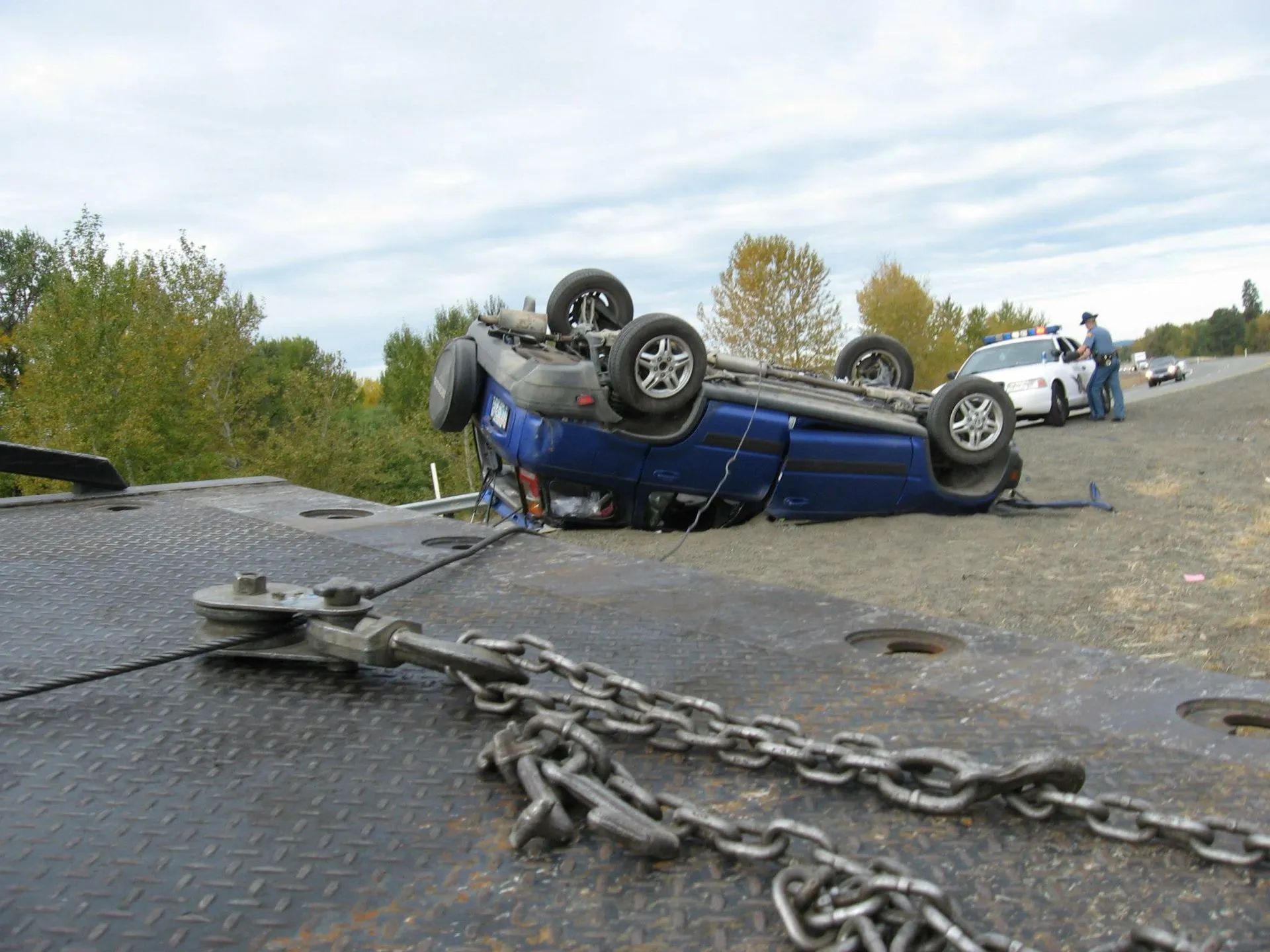
When your car breaks down on the side of the road, a tow truck shows up, hooks up your vehicle, and hauls it to a shop. Simple enough. But when your car is wrapped around a guardrail, submerged in a ditch, or sitting on its roof after a rollover, that same process looks nothing like what just happened in your mind. Accident recovery is an entirely different discipline, and treating it like a routine tow can cost you time, money, and a lot of frustration when your insurance claim comes back short.
Most drivers never think about this distinction until they are standing on the side of a highway with a crumpled fender and a tow truck driver who may or may not be equipped for what they are looking at. Understanding the difference between accident recovery and standard towing is not just useful knowledge for emergencies. It directly affects what your insurance company will reimburse, what equipment was used, and whether your vehicle was handled in a way that protects its salvage or repair value. This article breaks down what separates these two services and why that distinction carries real financial weight.
What Standard Towing Actually Covers
The Basics of a Routine Tow
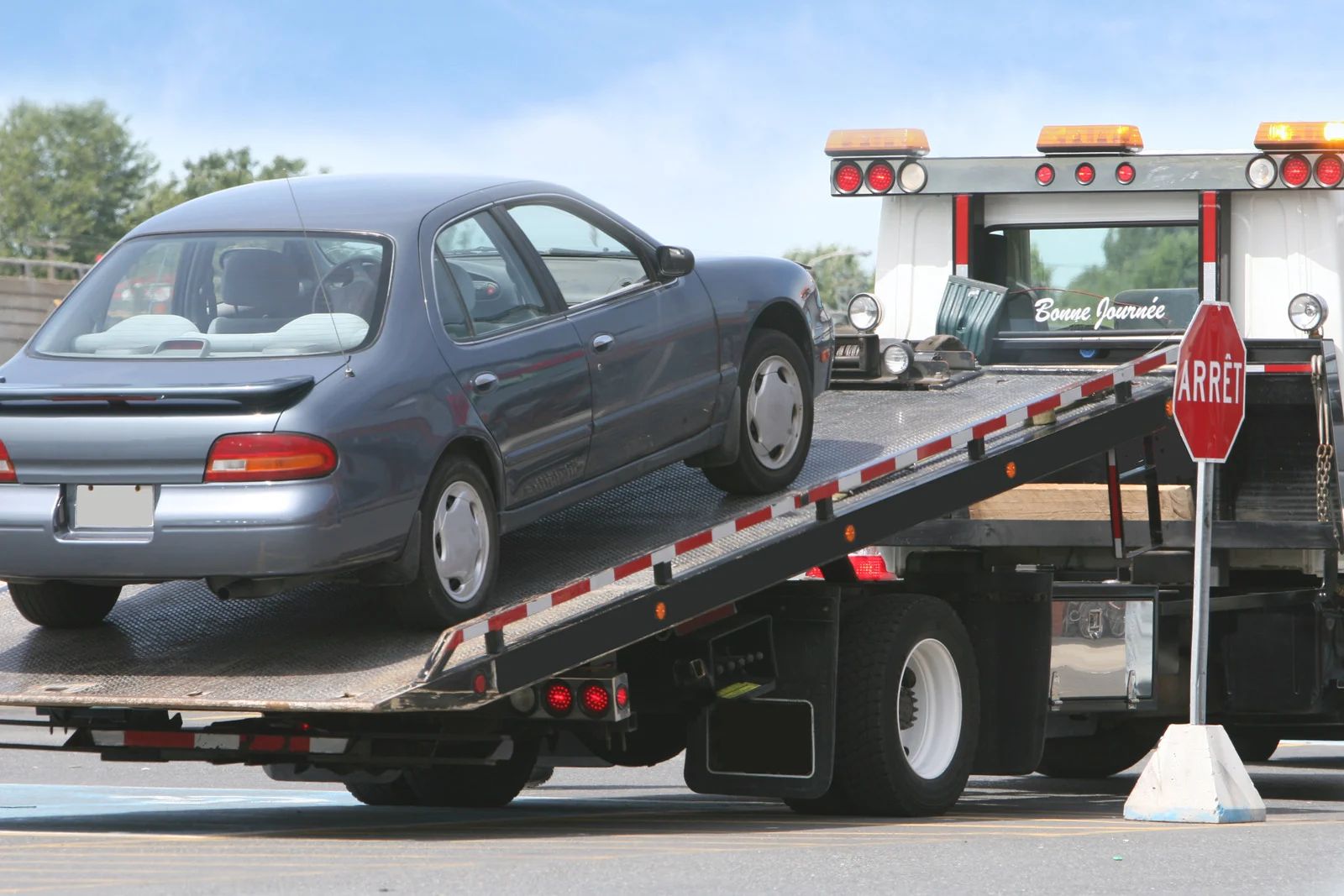
Standard towing is exactly what most people picture. Your car will not start, you have a flat you cannot change, or your transmission just gave out. A tow truck arrives, your vehicle is loaded or attached, and it is transported to a mechanic or storage facility. The process is straightforward, low-risk, and typically completed in under 30 minutes.
Most roadside assistance programs and insurance towing benefits are built around this scenario. The equipment involved is a flatbed or a wheel-lift truck. The skill required is moderate. The risk of further vehicle damage during the process is low because the car is already in a stable, upright position on a flat surface.
Standard towing also comes with fairly predictable pricing. Distance, vehicle weight, and time of day are the main cost variables. When you file a claim for a standard tow, the documentation is minimal, the rates are recognized by most insurance adjusters, and the reimbursement process is generally smooth.
What It Is Not Built For
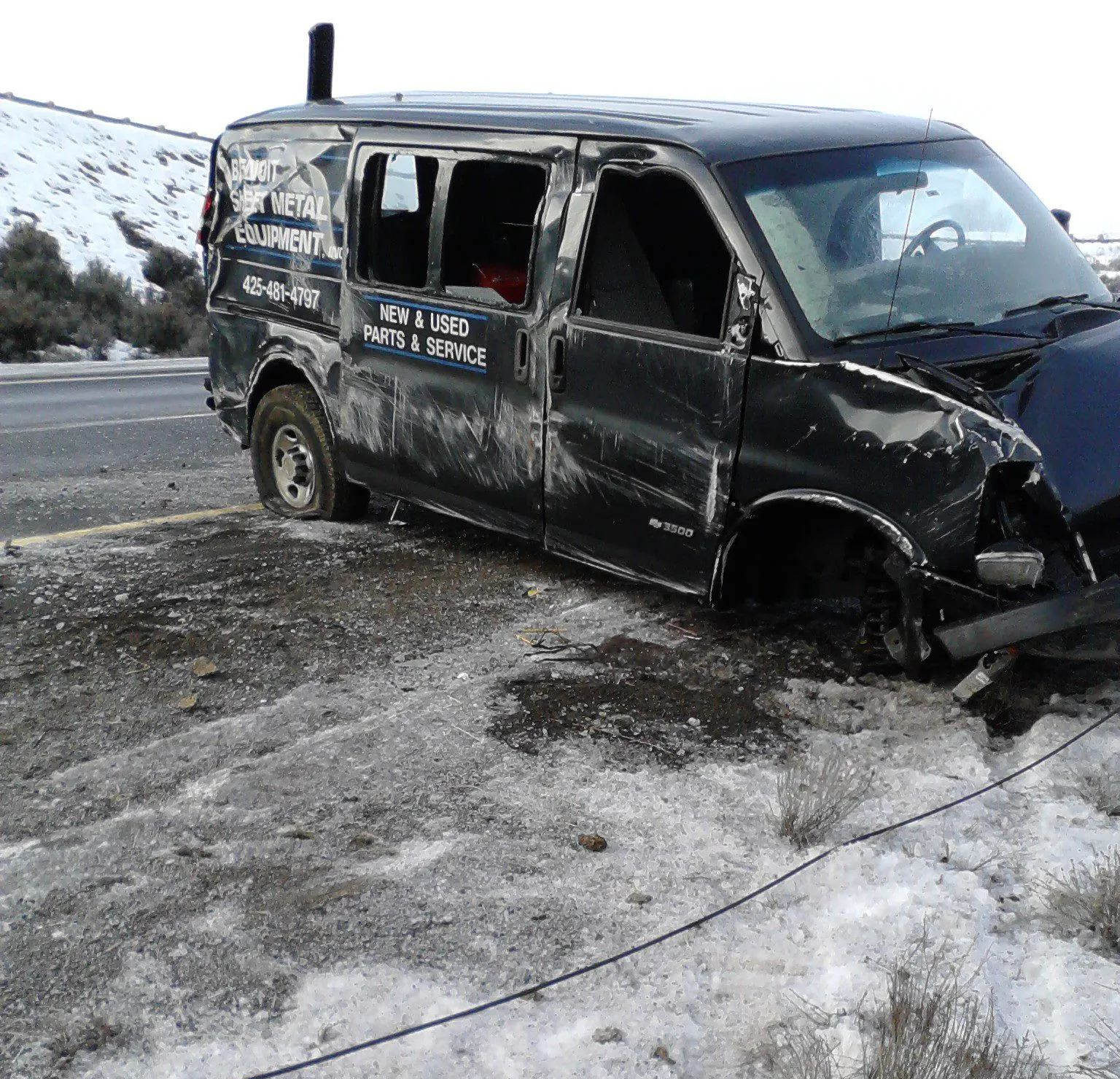
Standard towing equipment and training are not designed to handle vehicles that are overturned, embedded in soft terrain, partially submerged, pinned against another object, or sitting at dangerous angles. Attempting to recover a vehicle in these conditions with standard tow equipment can worsen the damage, create liability issues, and in some cases, put the operator and bystanders at risk.
What Accident Recovery Actually Involves
A Completely Different Set of Operations
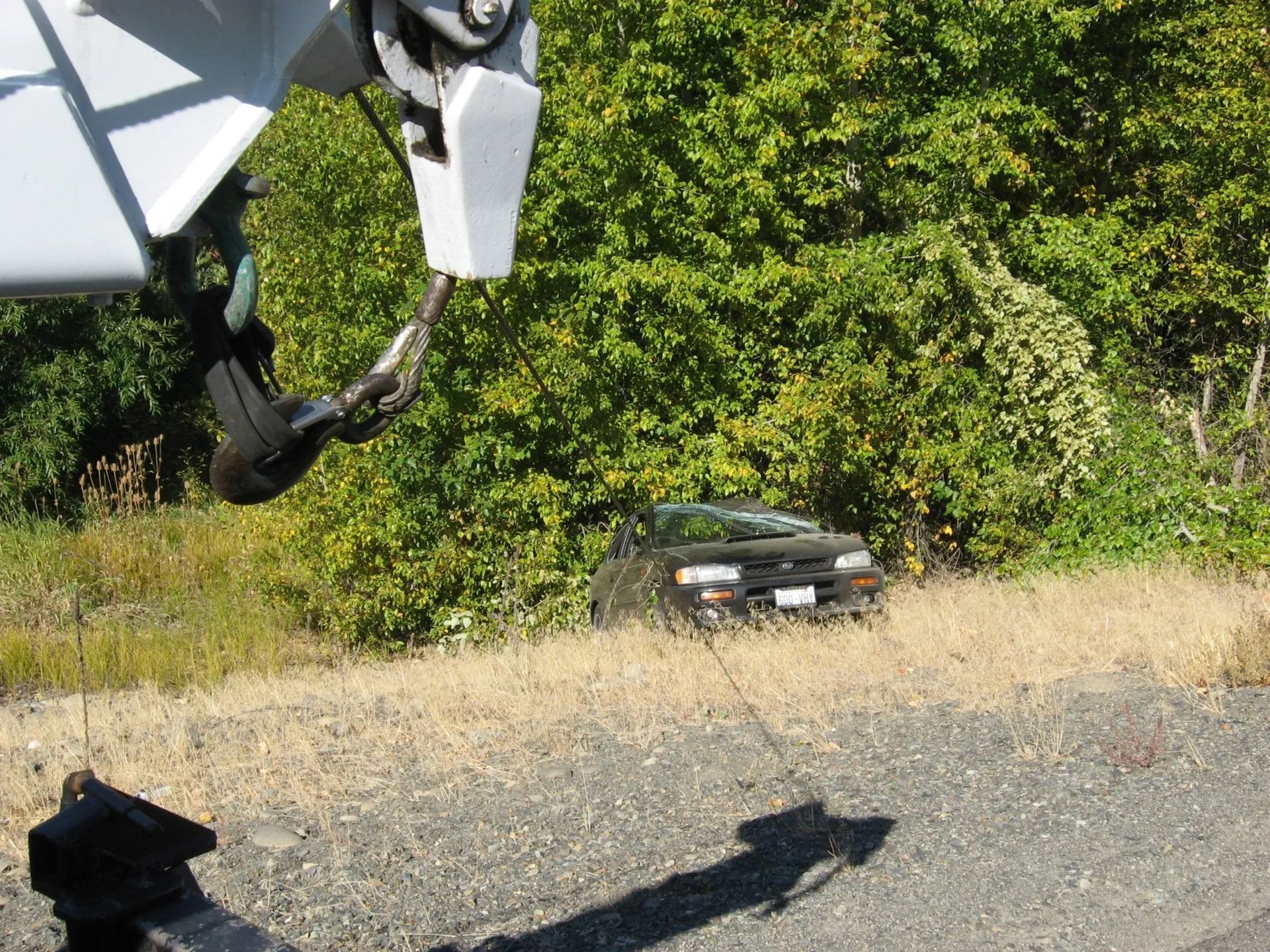
Accident recovery, also called emergency or collision recovery, is the process of extracting and stabilizing a vehicle that has been involved in a crash and is not in a condition to be simply hooked up and moved. This can involve winching, rigging, the use of rotator cranes, air bags, skid plates, and a coordinated team approach depending on the severity of the situation.
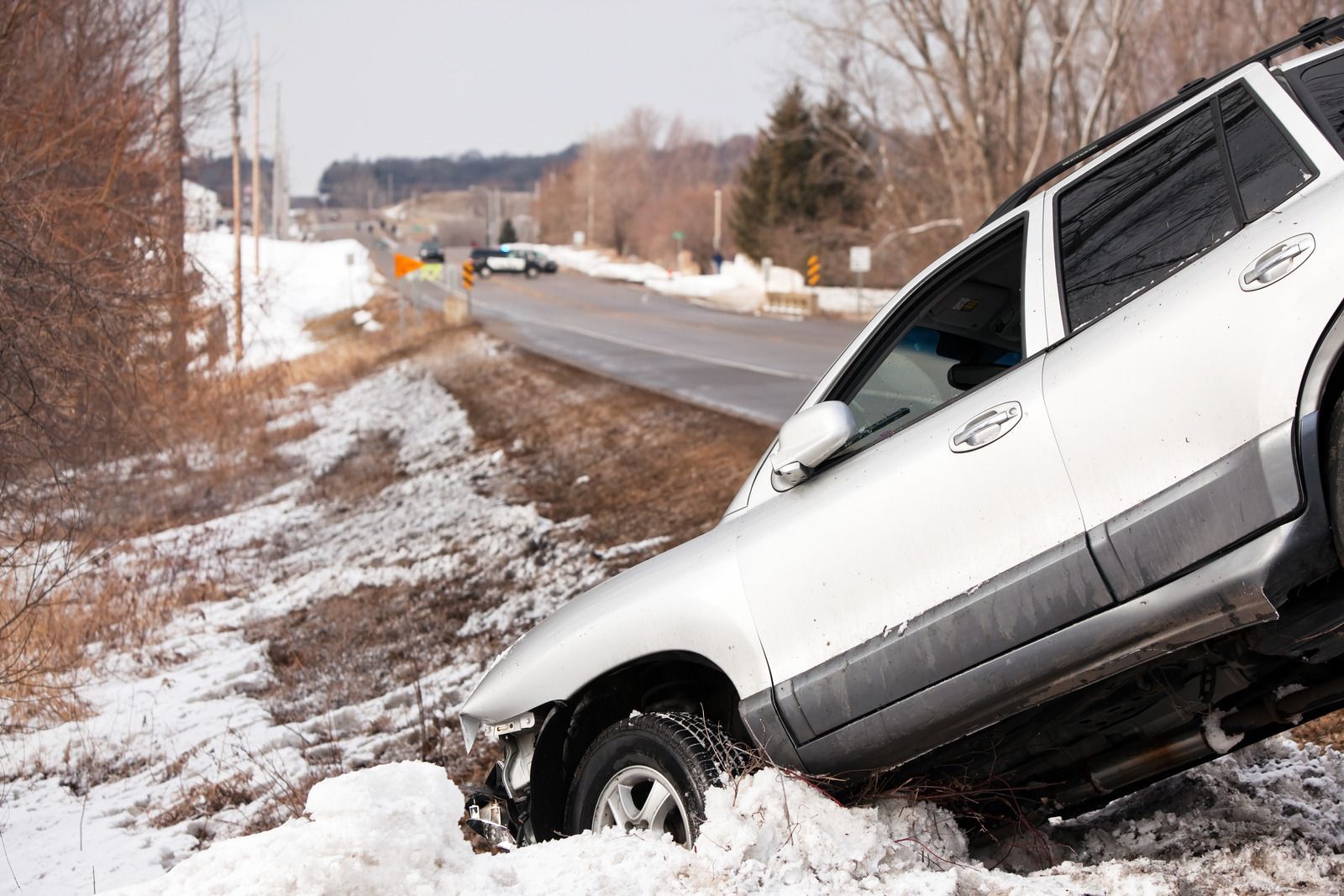
Consider a vehicle that has gone off an embankment. Before it can be towed anywhere, it must be secured so it does not slip further, carefully rigged to avoid additional chassis damage, and then extracted at a controlled angle. That is not a 20-minute job with a standard flatbed. It may require specialized rigging knowledge, specific equipment rated for the load and terrain, and sometimes coordination with emergency services.
Rollovers present a similar challenge. A vehicle on its side or roof cannot simply be winched upright without proper rigging. Doing so incorrectly can shear door frames, crack windshields, and compromise structural elements that would otherwise have remained intact. Recovery operators who do this work regularly understand load distribution, anchor points, and how to execute an extraction without turning a repairable vehicle into a total loss.
The Role of Specialized Equipment
The equipment used in accident recovery is significantly more advanced and expensive than what a standard tow truck carries. Rotator cranes can handle vehicles weighing tens of thousands of pounds and provide 360-degree rotation for precision lifts. Heavy-duty winches with tensioned rigging systems allow for controlled pulls along specific vectors. Air cushion recovery systems can right overturned vehicles without compounding body damage.
Operating this equipment safely requires training, certification, and ongoing experience. This is not equipment that sits idle on most standard tow trucks, and the operators who work with it regularly are performing a genuinely specialized service.
Why This Distinction Matters for Your Insurance Claim
How Insurance Policies Categorize These Services
Here is where many vehicle owners run into serious problems. A standard auto insurance policy with roadside assistance or towing coverage is typically designed to reimburse you for a basic tow. The coverage limits, often somewhere between $50 and $150 depending on your policy, reflect the average cost of a routine tow in your area.
Accident recovery is categorized differently by most insurers. It falls under your collision or comprehensive coverage, not your towing add-on. This means the reimbursement pathway is different, the documentation requirements are more detailed, and the rates that qualify for coverage need to align with what the insurer considers reasonable and customary for recovery services in your region.
If the company that handled your recovery bills it as a standard tow, your insurer may process it under your towing benefit and cap it accordingly, even if the actual invoice was $800 or more. If the recovery company properly documents it as an accident recovery with a breakdown of equipment used, labor hours, and service type, your claim has a much stronger foundation.
What Proper Documentation Looks Like
When you are dealing with a post-accident recovery, make sure the service provider issues you an itemized invoice that clearly states the type of recovery performed, the equipment deployed, the number of operators involved, and the total time on scene. Photographs of the vehicle in its pre-recovery position are also valuable for your claim, particularly if there is any dispute about the severity of the situation.
Your insurer's adjuster is going to look at whether the services billed were necessary and proportional to the incident. A detailed, professional invoice from a qualified recovery operator supports that narrative far better than a generic tow receipt.
Common Insurance Pitfalls to Avoid
One of the most common mistakes people make is calling the first tow truck that shows up at an accident scene without verifying that the operator is equipped and experienced for recovery work. Scene responders sometimes dispatch standard tow trucks to accidents out of habit or availability, and you may end up with a vehicle that was further damaged during an improperly executed recovery, and an insurance claim that is harder to defend.
It is also worth knowing that some insurers will question recovery charges if there is no documentation linking the recovery complexity to the incident. This is another reason why working with an experienced, professional recovery operator matters. They understand how to document their services in a way that holds up during the claims process.
How to Handle the Situation at the Scene
Steps to Take Immediately After an Accident
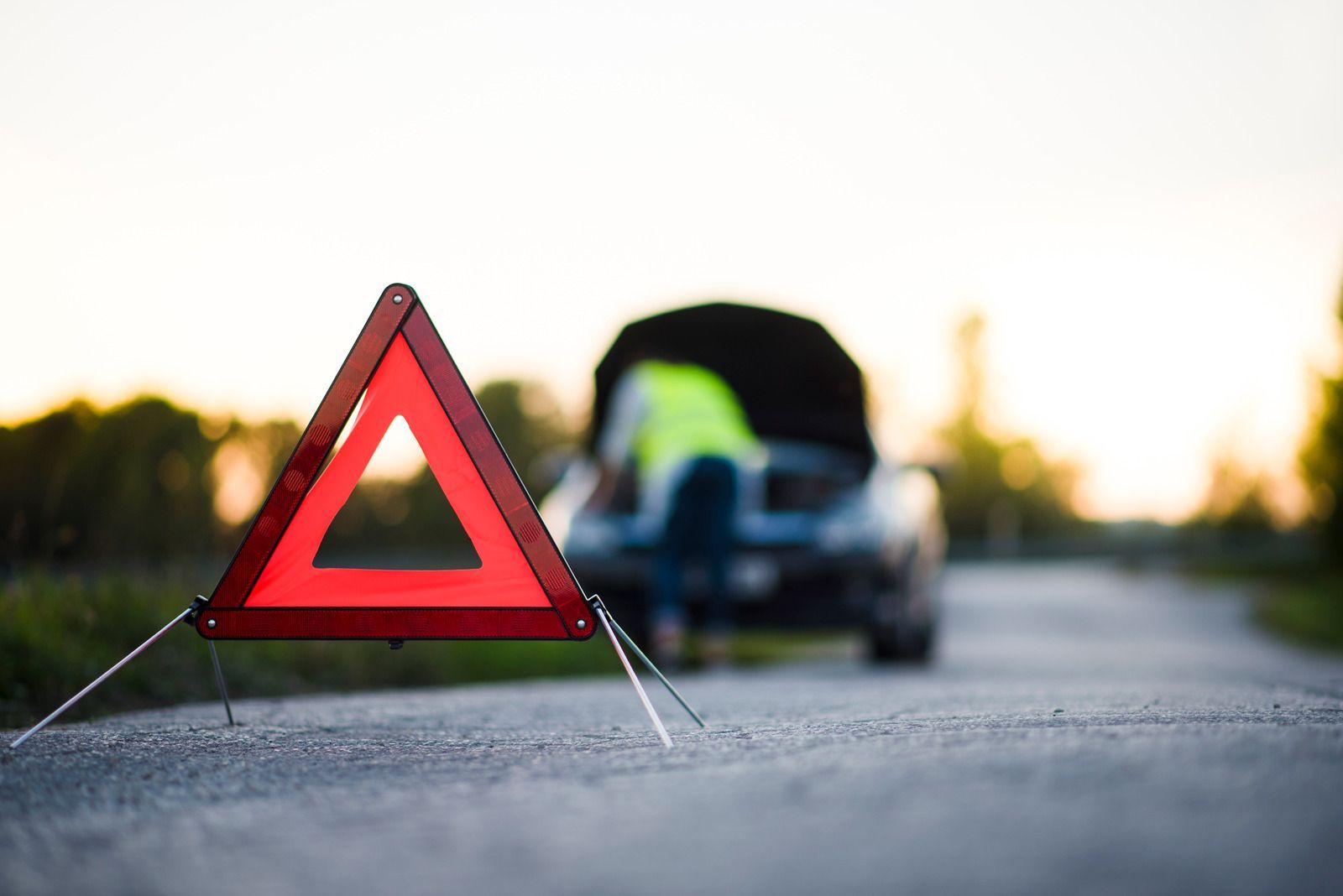
Prioritize safety first. Move away from traffic, call emergency services if needed, and do not attempt to move the vehicle yourself. Once the scene is stabilized, contact your insurance company to report the incident and ask specifically about coverage for accident recovery versus standard towing.
If you have the option of calling a recovery provider directly rather than waiting for a random dispatch, ask the operator directly whether they handle accident recovery, what equipment they are bringing, and whether they can provide itemized documentation. These are reasonable questions and any professional operator will answer them without hesitation.
Communicating with Your Insurer
Be specific with your insurer from the start. Tell them the vehicle was involved in a collision and is not in a standard tow-ready position. Ask them how accident recovery is handled under your policy and whether it falls under collision, comprehensive, or towing coverage. Getting clarity on this before the service is completed saves you from a confusing reimbursement battle afterward.
Dedicated Recovery Professionals Protecting Vehicles and Claims
Accident recovery and standard towing are not interchangeable services. One involves transporting a stable vehicle from point A to point B. The other involves extracting, stabilizing, and safely moving a vehicle that has been compromised by a collision, rollover, or off-road incident. The equipment, training, documentation, and insurance implications are fundamentally different, and understanding that distinction before you ever need it is the kind of knowledge that protects you when it matters most. The financial stakes are real. A recovery billed incorrectly or handled by an underqualified operator can result in denied claims, out-of-pocket costs, and additional vehicle damage. Knowing your coverage, asking the right questions, and working with professionals who understand both the technical and documentation side of recovery puts you in a far stronger position.
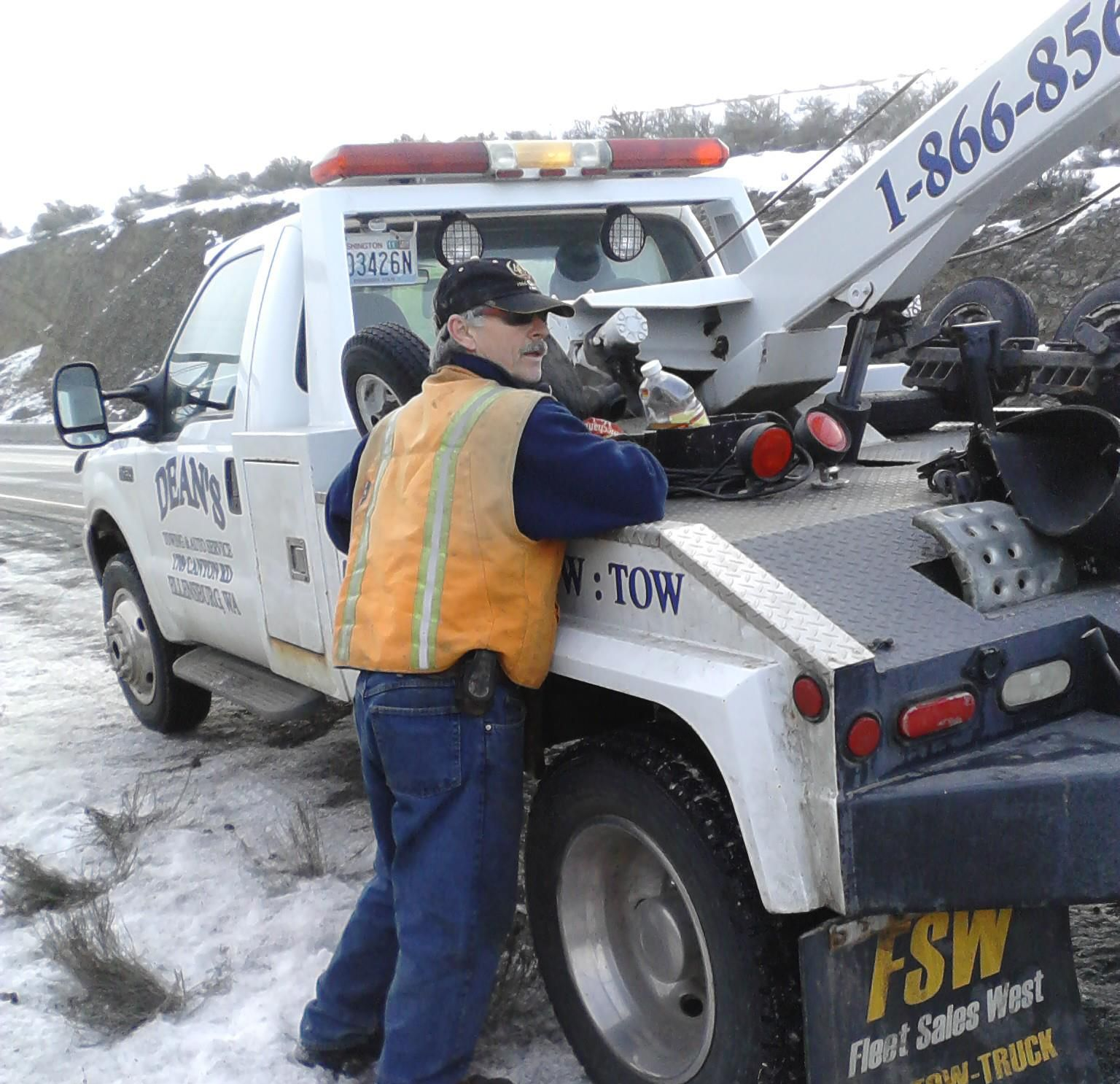
When you need recovery or towing services in Ellensburg, Washington, Dean’s Towing & Auto Service
brings 45
years of hands-on experience to every call. We handle everything from routine towing to complex
accident recovery, and we understand exactly how to document our services in a way that supports your insurance claim. Our operators are trained, our equipment is built for real-world recovery scenarios, and our process is designed to protect both your vehicle and your claim from the moment we arrive on scene. We know this area, we know these roads, and we know what it takes to do this work right. When the situation calls for more than a standard tow, we are the team that Ellensburg has relied on for decades.
Frequently Asked Questions
1. Will my insurance cover accident recovery costs?
Most standard auto policies cover accident recovery under collision or comprehensive coverage, not the basic towing add-on. The reimbursement amount depends on your deductible, policy limits, and whether the services are properly documented as recovery rather than a standard tow.
2. Can a standard tow truck handle a rollover or off-road recovery?
In most cases, no. Rollover and off-road recoveries require specialized rigging, winching equipment, and trained operators. Using a standard tow truck in these situations can cause additional damage to the vehicle.
3. What should I ask a recovery operator before they start work?
Ask whether they specialize in accident recovery, what equipment they are bringing, how they will document the service, and whether their rates are in line with what insurance companies typically recognize for recovery work in your area.
4. Why does the invoice matter so much for my insurance claim?
An itemized invoice that distinguishes accident recovery from standard towing helps your insurer process the claim under the correct coverage category. Generic or vague billing often results in underpayment or disputes.
5. What if the tow truck that arrived is not equipped for my situation?
You have the right to request a different provider. If the situation requires specialized recovery equipment and the truck on scene does not have it, asking for a more qualified operator is the right call, both for your safety and for your vehicle.