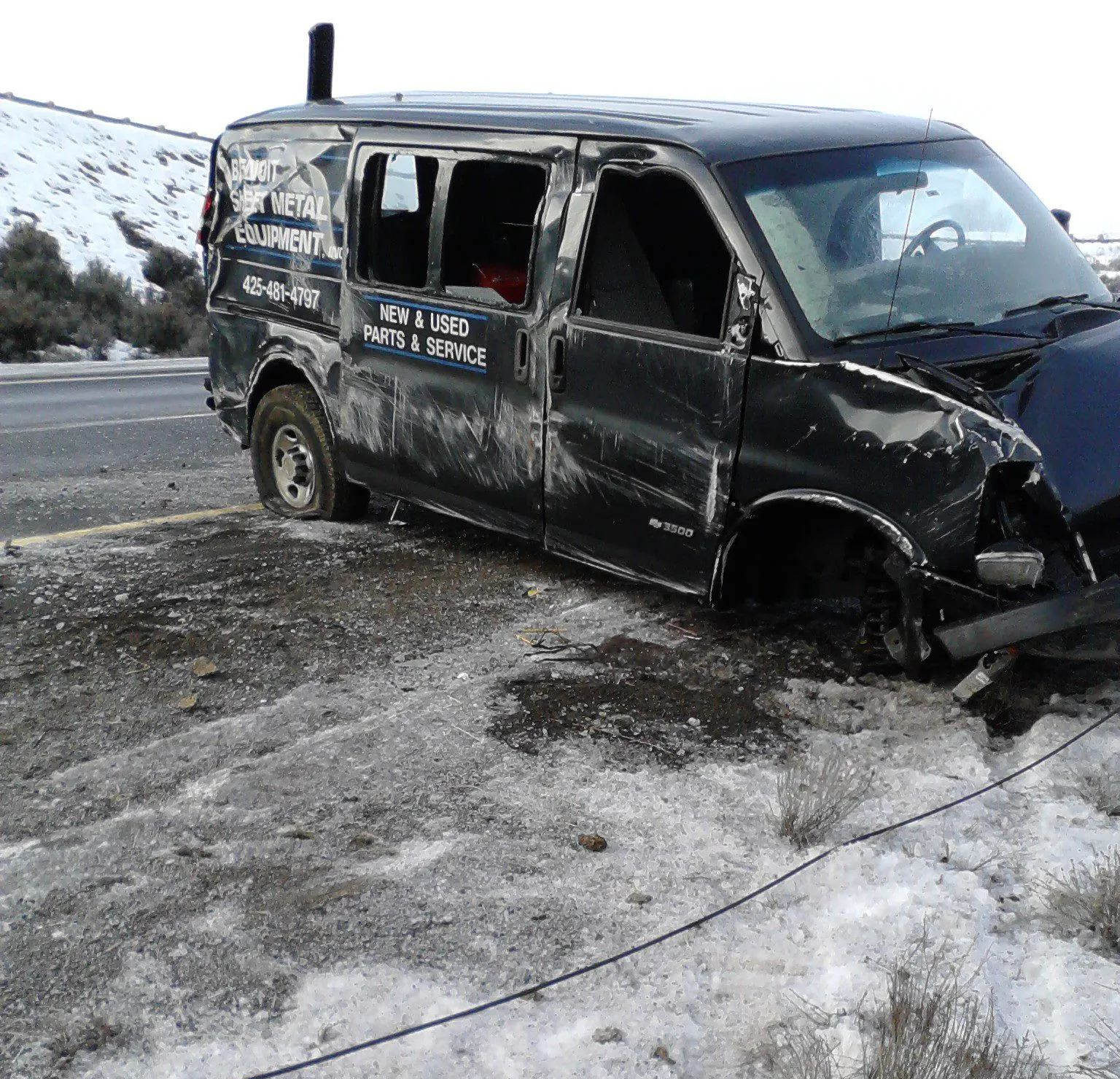
DIY Recovery Attempts vs. Professional Winch Out Services: The Risks Most Drivers Do Not Consider
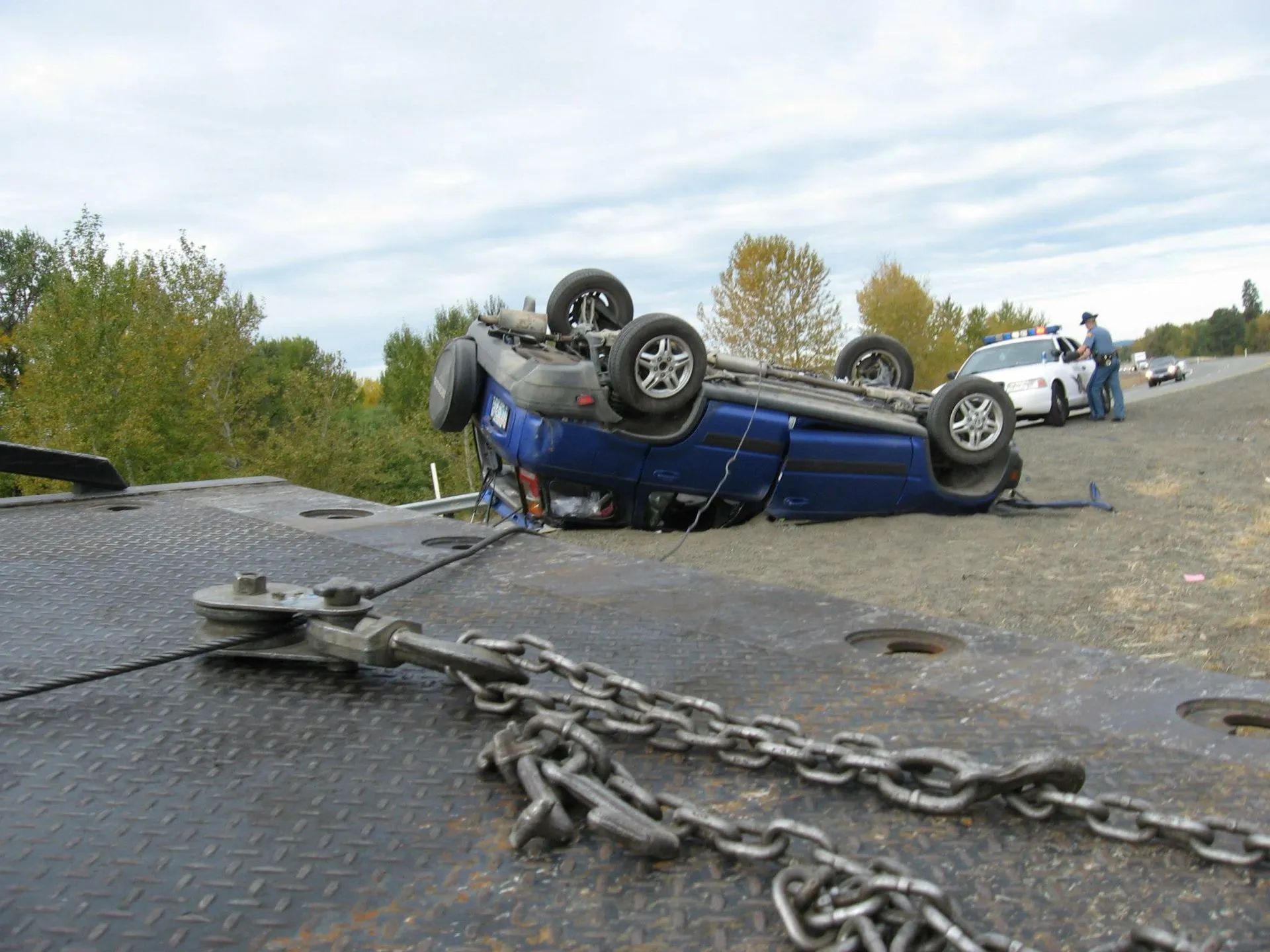
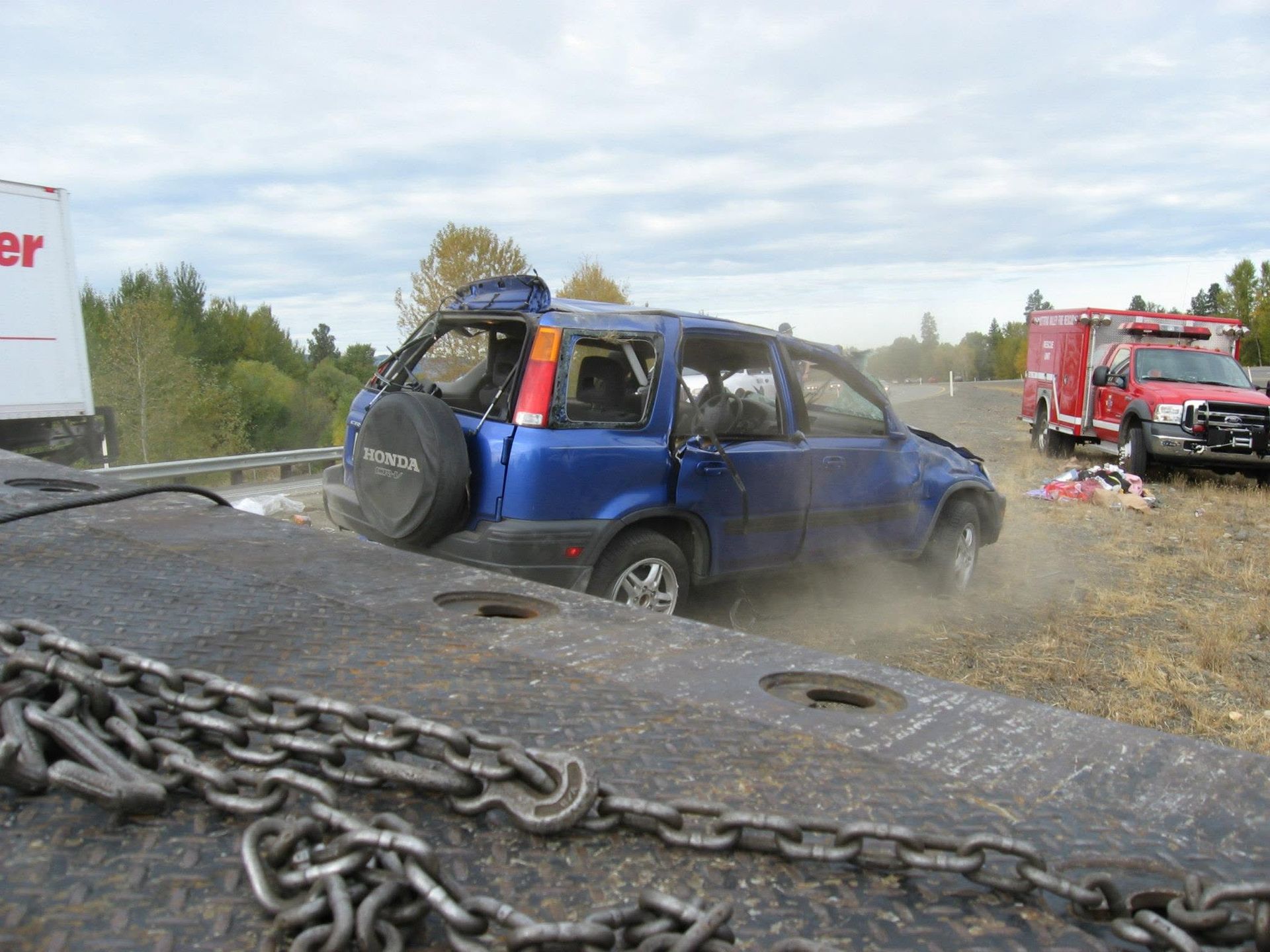
Vehicles become stuck in mud, snow, sand, ditches, flooded shoulders, steep embankments, and off-road terrain more often than many drivers expect. Weather conditions, poor road visibility, soft ground, mechanical limitations, and driver miscalculations can quickly turn a routine trip into a dangerous recovery situation. In many cases, drivers attempt to free the vehicle on their own using tow straps, improvised anchor points, jacks, chains, or assistance from another vehicle. While these DIY recovery attempts may appear simple, they often create serious risks that can lead to vehicle damage, injuries, property loss, or unsafe roadside conditions. What begins as a small inconvenience can escalate into a much larger problem when recovery techniques are performed without proper training or equipment.
Professional winch out services exist because vehicle recovery involves far more than pulling a vehicle from one location to another. Recovery professionals evaluate terrain conditions, vehicle weight, ground stability, towing angles, equipment capacity, and safety hazards before beginning the process. Improper recovery methods can damage drivetrains, suspension systems, bumpers, frames, tires, and recovery points while also placing drivers and bystanders at risk. Understanding the hidden dangers associated with DIY recovery attempts helps drivers make safer decisions during stressful roadside situations while protecting both their vehicles and personal safety.
Understanding Why Vehicles Become Stuck
Common Situations That Lead to Vehicle Recovery
Vehicles become immobilized for many reasons beyond reckless driving or off-road activity. Heavy rain can soften roadside shoulders, snow can conceal drainage ditches, and loose gravel can reduce tire traction without warning. Urban drivers, commercial operators, delivery vehicles, and rural travelers all encounter conditions where traction suddenly disappears.
Common recovery scenarios include:
- Vehicles sliding into muddy shoulders
- Cars trapped in snowbanks
- Trucks stuck on construction sites
- SUVs buried in sand
- Vehicles stranded in flood-prone areas
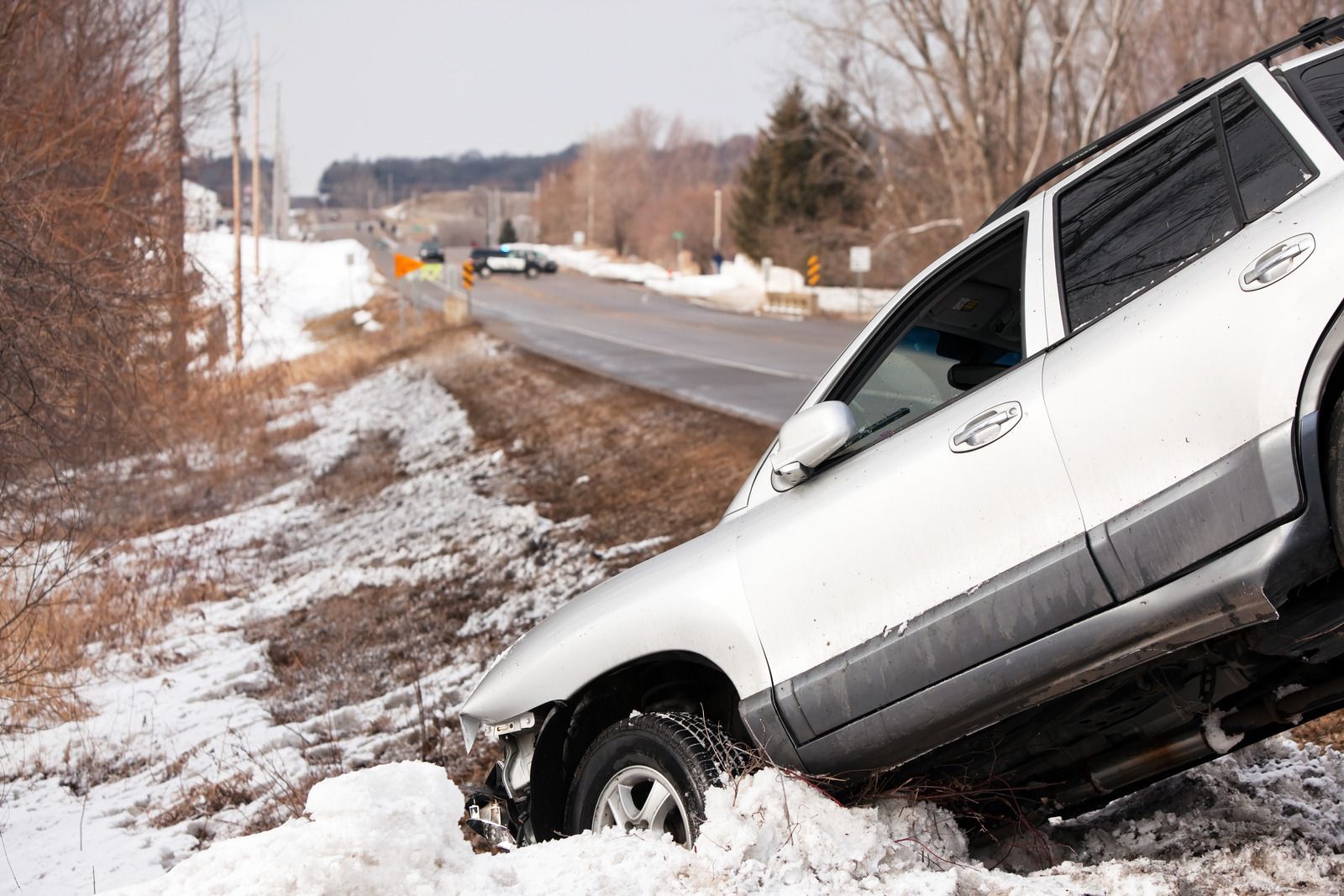
- Cars sliding into roadside ditches
- Commercial vehicles stuck on uneven terrain
Modern vehicles also create unique recovery challenges because many models use lightweight materials, lower ground clearance, electronic traction systems, and sensitive drivetrain components. Attempting to force a stuck vehicle free without understanding these systems can create additional mechanical problems.
Why Drivers Attempt DIY Recoveries
Many drivers attempt self-recovery because the situation initially appears manageable. A vehicle may only seem slightly stuck, leading drivers to believe a simple push or tow will solve the problem. Others attempt recovery to avoid delays, reduce towing expenses, or maintain travel schedules.
Unfortunately, drivers often underestimate how quickly traction conditions worsen. Spinning tires can dig vehicles deeper into mud or sand within seconds. Excessive acceleration may damage transmissions, differentials, or axles. Inexperienced recovery attempts also increase the likelihood of secondary accidents, especially near highways or unstable terrain.
Stress, poor weather, darkness, and limited visibility can further impair judgment during recovery situations. These conditions make professional assistance far safer than improvised roadside solutions.
The Hidden Dangers of DIY Recovery Attempts
Improper Use of Recovery Equipment
One of the most common problems with DIY recovery efforts involves incorrect equipment usage. Many drivers use chains, straps, hooks, or cables that are not rated for vehicle recovery loads. Hardware store chains, worn straps, or incompatible hitch connections may fail under tension.
When recovery equipment snaps, the released force can become extremely dangerous. Metal hooks, chains, and tow points can fly toward vehicles or nearby individuals with significant force. Serious injuries and fatalities have occurred during improper towing and recovery attempts.
Improvised recovery points also create major risks. Drivers sometimes attach chains or straps to bumpers, suspension parts, trailer balls, or weak frame sections not designed for recovery pressure. These components can break suddenly, causing additional vehicle damage and dangerous debris.
Increased Risk of Vehicle Damage
Continuous usage, harsh weather exposure, and long-distance towing create wear and tear on vehicles and tools. Scheduled servicing, timely replacements, and inventory management play a crucial role in maintaining operational readiness at all times.
Safety Risks Most Drivers Underestimate
Dangerous Roadside Conditions
Vehicle recovery often occurs in hazardous environments where visibility and stability are already compromised. Attempting self-recovery near highways, steep roads, flooded areas, or icy shoulders creates additional exposure to traffic hazards.
Drivers focused on freeing the vehicle may overlook:
- Approaching traffic
- Slippery terrain
- Poor nighttime visibility
- Soft shoulder collapse
- Unstable ground conditions
- Electrical hazards from nearby utilities
Standing near recovery straps or cables also places individuals within dangerous impact zones if equipment fails.
Lack of Recovery Training
Professional recovery operators receive training in load management, winching techniques, equipment inspection, vehicle stabilization, and scene safety. Most drivers do not possess this knowledge.
Recovery situations require understanding:
Vehicle Weight Distribution
Different vehicles require different recovery approaches based on weight, center of gravity, and drivetrain configuration.
Terrain Stability
Mud, snow, sand, and slopes all affect recovery strategy. Pulling in the wrong direction may worsen the situation.
Equipment Capacity
Recovery tools must match vehicle weight and terrain resistance. Undersized equipment creates serious hazards.
Safe Recovery Angles
Improper winch angles can damage vehicles or destabilize recovery equipment.
Without training, drivers may unknowingly place themselves and others in dangerous positions during recovery efforts.
Why Professional Winch Out Services Matter
Specialized Equipment for Complex Recoveries
Professional recovery vehicles are equipped with heavy-duty winches, stabilization tools, recovery straps, safety chains, lighting systems, traction equipment, and vehicle protection gear designed specifically for difficult recoveries.
Professional-grade recovery equipment offers several advantages:
- Controlled pulling power
- Proper load ratings
- Safer attachment systems
- Enhanced vehicle stabilization
- Better terrain adaptability
- Reduced recovery time
Recovery professionals also carry equipment for varying road and weather conditions, allowing them to adapt the recovery strategy to the environment.
Reduced Risk of Secondary Damage
Professional operators focus on protecting the vehicle during the recovery process. Instead of relying on aggressive force, trained recovery specialists assess the safest extraction method based on vehicle condition and terrain.
This may include:
Controlled Winching Techniques
Slow, controlled winching reduces drivetrain stress and prevents sudden jerking movements.
Proper Recovery Point Identification
Professionals identify manufacturer-approved recovery points designed to handle extraction loads safely.
Vehicle Stabilization Methods
Stabilization tools help prevent rollover risks or uncontrolled movement during recovery.
Terrain Management
Recovery specialists may clear debris, reposition vehicles, or improve traction before beginning extraction.
These methods help minimize additional repair costs after the recovery is complete.
Best Practices Drivers Should Follow During Recovery Situations
Prioritize Safety Before Action
Drivers should first evaluate whether remaining in the vehicle or moving to a safer location is necessary. Busy roads, severe weather, and unstable terrain may require immediate safety precautions before any recovery attempts begin.
Important safety steps include:
- Activating hazard lights
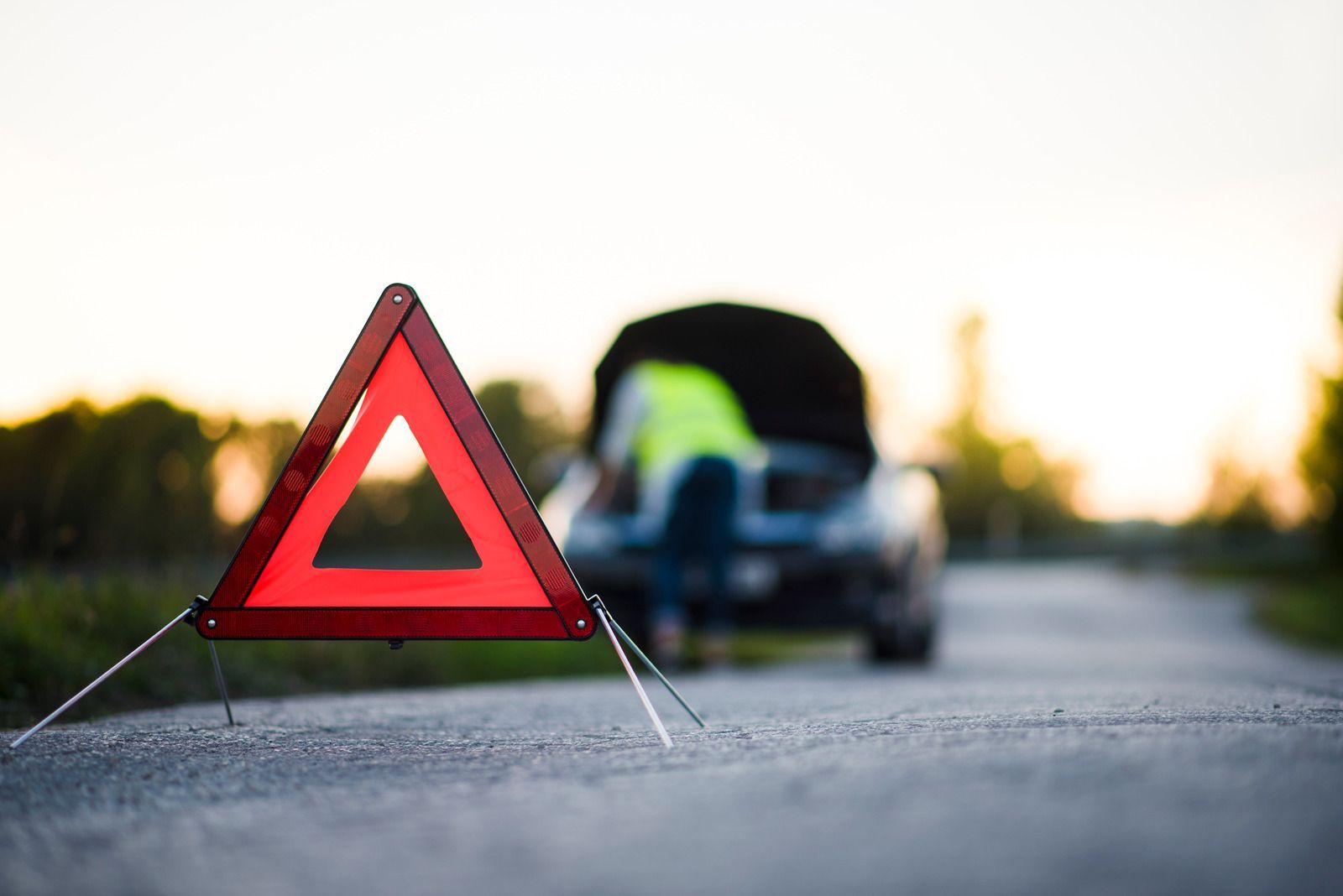
- Using reflective warning devices
- Staying away from traffic lanes
- Avoiding standing near recovery equipment
- Monitoring weather and ground conditions
- Calling professional assistance early
Remaining calm helps reduce rushed decisions that could worsen the situation.
Know When Professional Help Is Necessary
Certain recovery situations almost always require professional assistance. Drivers should avoid DIY recovery attempts when:
The Vehicle Is Deeply Embedded
Vehicles buried in mud, snow, or sand require controlled extraction methods.
Terrain Is Unstable
Steep slopes, flood zones, soft shoulders, or rocky terrain increase recovery risks.
Recovery Requires Winching
Improper winch usage can create serious injuries and vehicle damage.
Traffic Exposure Exists
Highway recoveries require specialized safety procedures and visibility equipment.
Mechanical Damage Is Suspected
If the vehicle may already have drivetrain or suspension damage, self-recovery could worsen the problem.
Recognizing these warning signs helps drivers avoid preventable injuries and unnecessary repairs.
Professional Towing Support For Challenging Recovery Conditions
Vehicle recovery situations create stress, uncertainty, and safety concerns that many drivers are not fully prepared to handle alone. DIY recovery attempts may appear convenient at first, but the hidden risks often outweigh the perceived savings. Improper towing methods, unsafe equipment usage, poor terrain evaluation, and lack of recovery experience can quickly transform a manageable situation into a costly and dangerous event. Professional winch out services provide trained recovery methods, specialized equipment, controlled extraction techniques, and safer roadside support designed to protect both drivers and vehicles during difficult conditions.
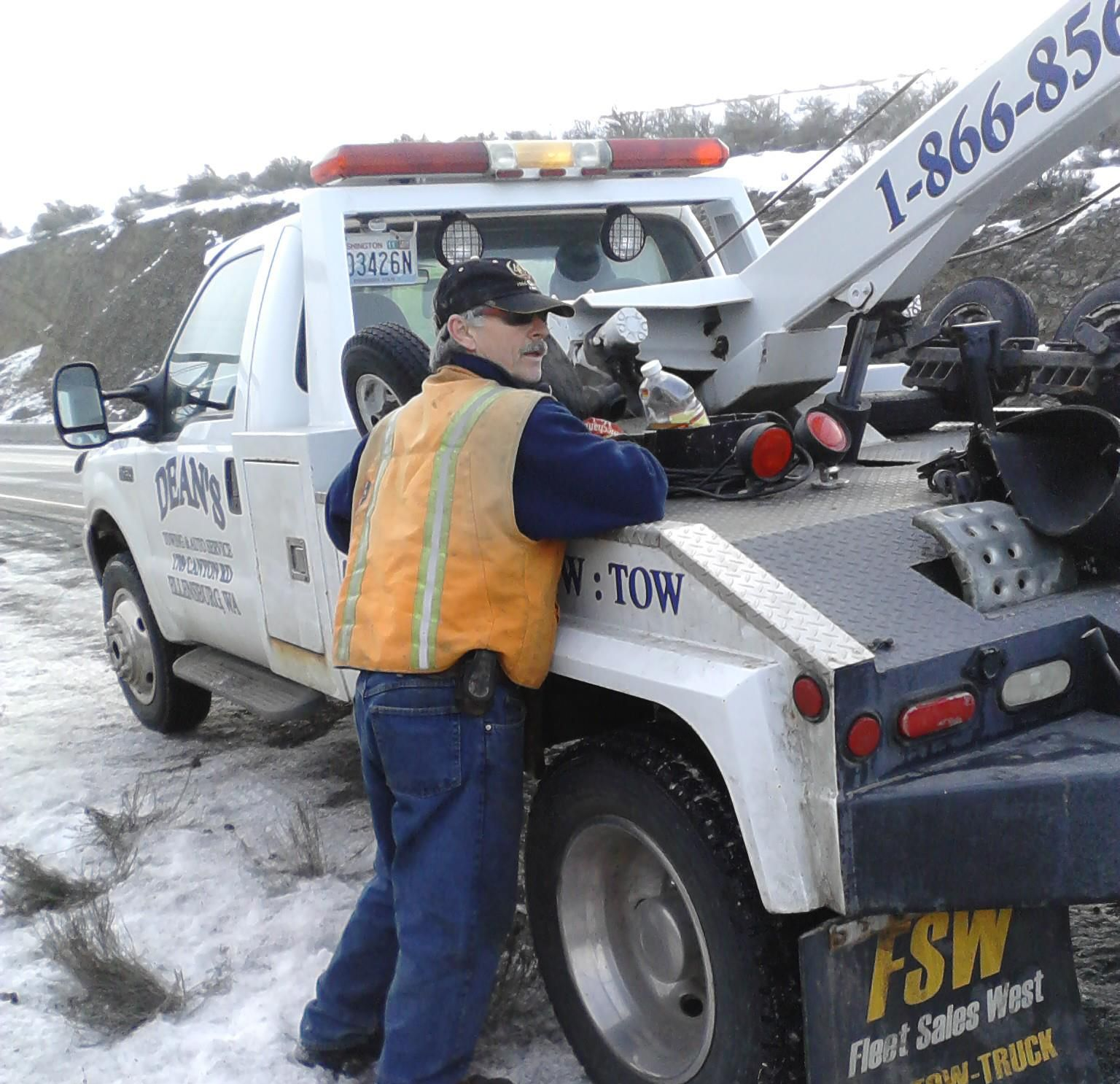
At Dean’s Towing & Auto Service
in Ellensburg, Washington, we bring 45
years of experience helping drivers navigate challenging roadside recovery situations with professionalism and care. We understand that every recovery requires proper planning, equipment evaluation, and safety awareness before the extraction process begins. Our approach focuses on protecting vehicle integrity while reducing unnecessary risks associated with unstable terrain, traffic exposure, severe weather, and difficult recovery angles. From vehicles stuck in mud and snow to roadside ditch recoveries and off-road extractions, we provide dependable winch out services backed by industry knowledge and hands-on experience. Drivers facing difficult recovery situations need reliable support from professionals who understand how to manage complex roadside conditions safely while helping prevent additional vehicle damage and unnecessary delays.