Slid Off an Icy Road Into the Snow? What to Do Until the Tow Arrives
Quick Answer: If you slid off an icy road into the snow, your first job is not the car, it is staying safe until help arrives. Turn on your hazard lights, judge whether you are clear of moving traffic, and stay buckled inside the vehicle if cars are still sliding toward the same spot. Once you know traffic is not bearing down on you, call for a tow and a winch-out rather than trying to power the car free, because spinning the tires usually digs you in deeper or slides you further off the shoulder. Keep the exhaust pipe clear of snow, run the engine only in short bursts for heat, and make yourself visible. A controlled winch-out pulls the vehicle back onto the road along a planned line, without the damage that comes from gunning it.
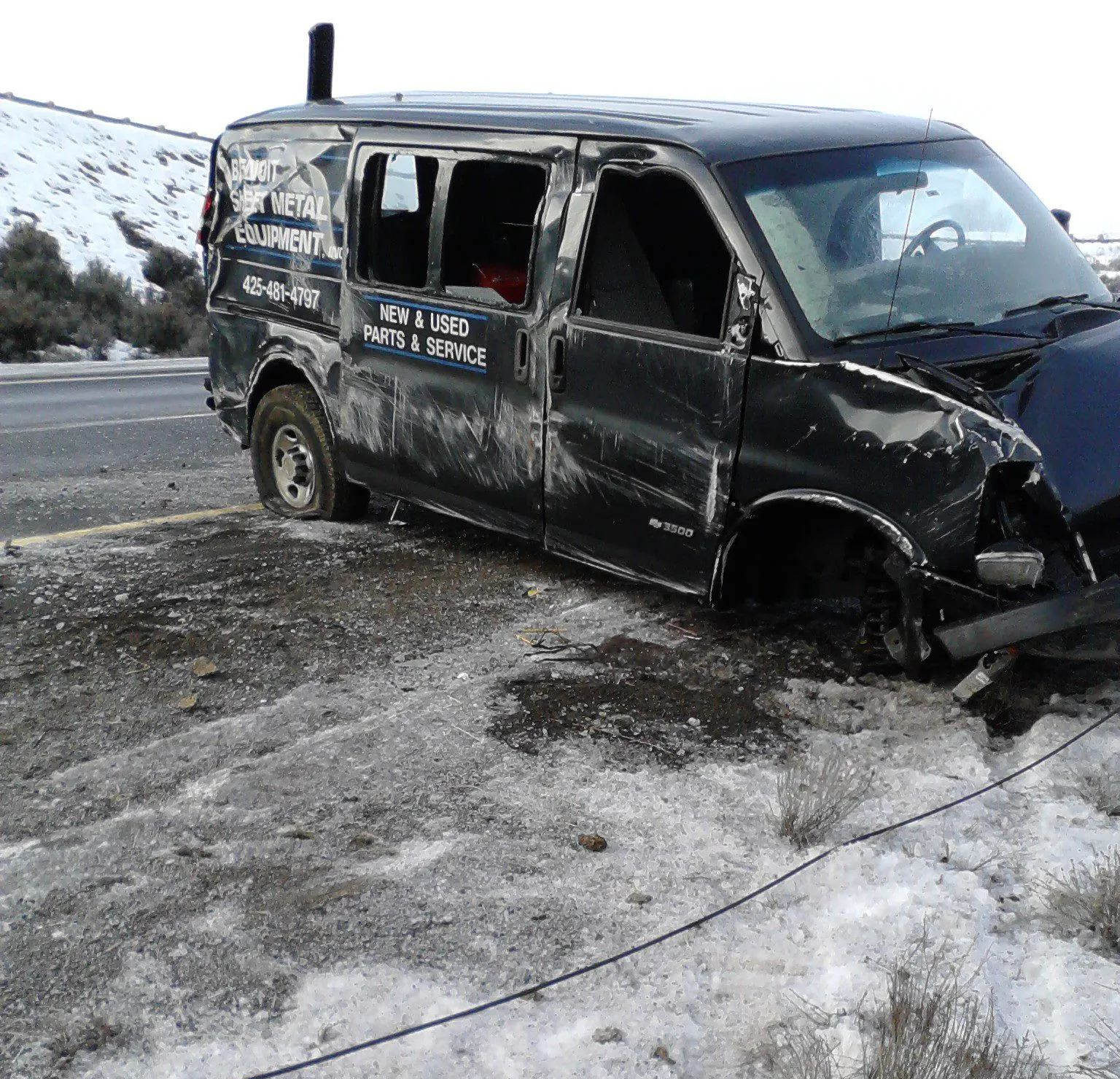
One second you are tracking straight down the pass, the next the back end steps out, the tires find nothing to grab, and the car glides off the road and settles nose-down in the snow along the shoulder. The engine may still be running. The heater is still blowing. And now you are sitting at an angle, wheels buried, watching headlights come over the rise behind you. The rush of adrenaline says do something, get moving, get out of the way. That instinct is where a lot of people make the situation worse.
Sliding off an icy road is one of the most common winter calls on the I-90 corridor and the passes above Ellensburg, and the minutes right after it happen are the ones that matter most. What you do in that window decides whether this stays a stuck car that gets pulled back onto the road, or turns into a second, more serious incident. The steps below are the ones that keep you safe and keep the recovery simple once a truck reaches you.
First, Read the Traffic Before You Read the Damage
The single most dangerous thing about sliding off an icy road is not the slide itself. It is what can happen next. On an icy stretch, the same conditions that put you off the road are still working on every driver coming behind you. Icy road safety educators are blunt about it: a large share of icy-road fatalities are people who exited their vehicles after their own crash, only to be struck by a second car that lost control at the exact same spot. The place you slid is, by definition, a place other people are about to slide too.
So before you think about the front bumper packed with snow, look at where you have ended up. If your car is well off the road, behind a guardrail, down an embankment, or clearly out of the path of traffic, that is a good position. If any part of the car is still on or near the travel lane, or if you cannot yet tell, treat approaching traffic as the threat and act accordingly.
Stay buckled and stay put if traffic is still moving toward you. According to icy-road safety guidance, if your vehicle is disabled and cars are approaching, you are safer inside the car than standing beside it. A vehicle absorbs an impact far better than your body can. It feels backward to sit still when you want to escape, but on an icy shoulder with traffic sliding, the cabin is the strongest thing you have.
When It Is Safe to Get Out, and When It Is Not
There is a version of this where getting out is the right move, and a version where it is the worst thing you can do. The difference is entirely about traffic.
If you have watched the road and you are certain no vehicles are approaching, and you can get well clear of the roadway, then stepping out and moving away from the pavement is reasonable. The guidance from icy-road safety experts is to get as far off the road as you can, climb an embankment or get behind a barrier, and stay there rather than lingering next to the car on the shoulder. The icy pavement will be slick underfoot, so move carefully.
But if you are on a bridge, a narrow canyon shoulder, or a stretch where there is nowhere safe to go, stay in the vehicle. On the Yakima River Canyon road or a tight section of pass, there often is no real shoulder and no embankment to climb. In that case the cabin, seatbelt on, is your shelter until help arrives.
Do not stand behind or in front of the car to inspect the damage. That is exactly the position where secondary crashes catch people. The dent can wait. Whether the tow operator can safely reach you cannot.
Warning: Never stand on or beside an icy roadway to look at your vehicle or wave at traffic. On an icy surface, drivers behind you have little control, and a stopped or slow vehicle at the same spot can trigger the next slide. Stay inside with your seatbelt on until you are sure the road is clear, then move away from the pavement, not toward it.
Why Gunning It Out Usually Makes Things Worse
Once the immediate danger is handled, the temptation is to rock the car, floor it, and muscle back onto the road. On a flat parking lot with a light dusting, gentle rocking can work. Off the side of an icy pass with the wheels packed in snow, it usually does the opposite.
Flooring the gas pedal digs the tires deeper into the snow instead of moving you forward, and it can spin the tires hot enough to melt the snow beneath them into ice, which leaves you worse off than when you started. It can also strain the transmission and, on a slope, break whatever fragile grip is holding the car in place and send it sliding further off the shoulder or down an embankment. What looked like a quick self-rescue turns into a deeper, more awkward recovery on worse ground.
There is also the matter of what you cannot see. When a car goes off the road into snow, it often comes to rest against or over things you would not choose to drive across, a berm, a ditch lip, a hidden culvert, or soft ground that gives way. Powering blindly toward the road can drop a wheel into a ditch or hang the undercarriage on something buried. A tow operator arriving at the scene reads the terrain first, then picks the line to pull you out along.
Tip: If you must try anything before help arrives, keep it gentle and brief. Straighten the wheels, ease off any throttle, and stop the moment the tires start to spin freely. Spinning tires melt snow into ice and dig you in. If a light, controlled attempt does not move the car within a few tries, stop and wait for the winch-out rather than making the position worse.
How a Winch-Out Actually Gets You Back on the Road
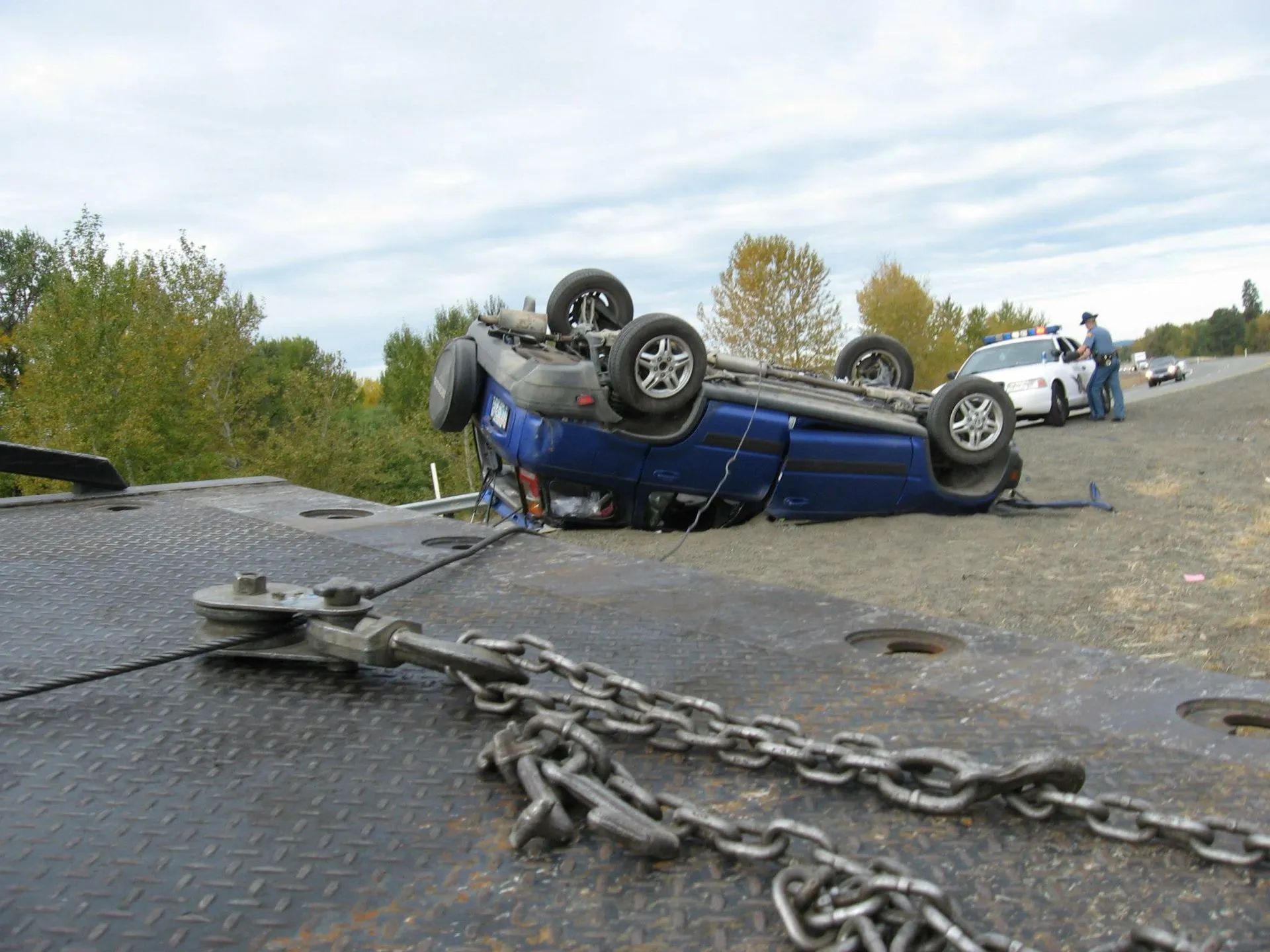
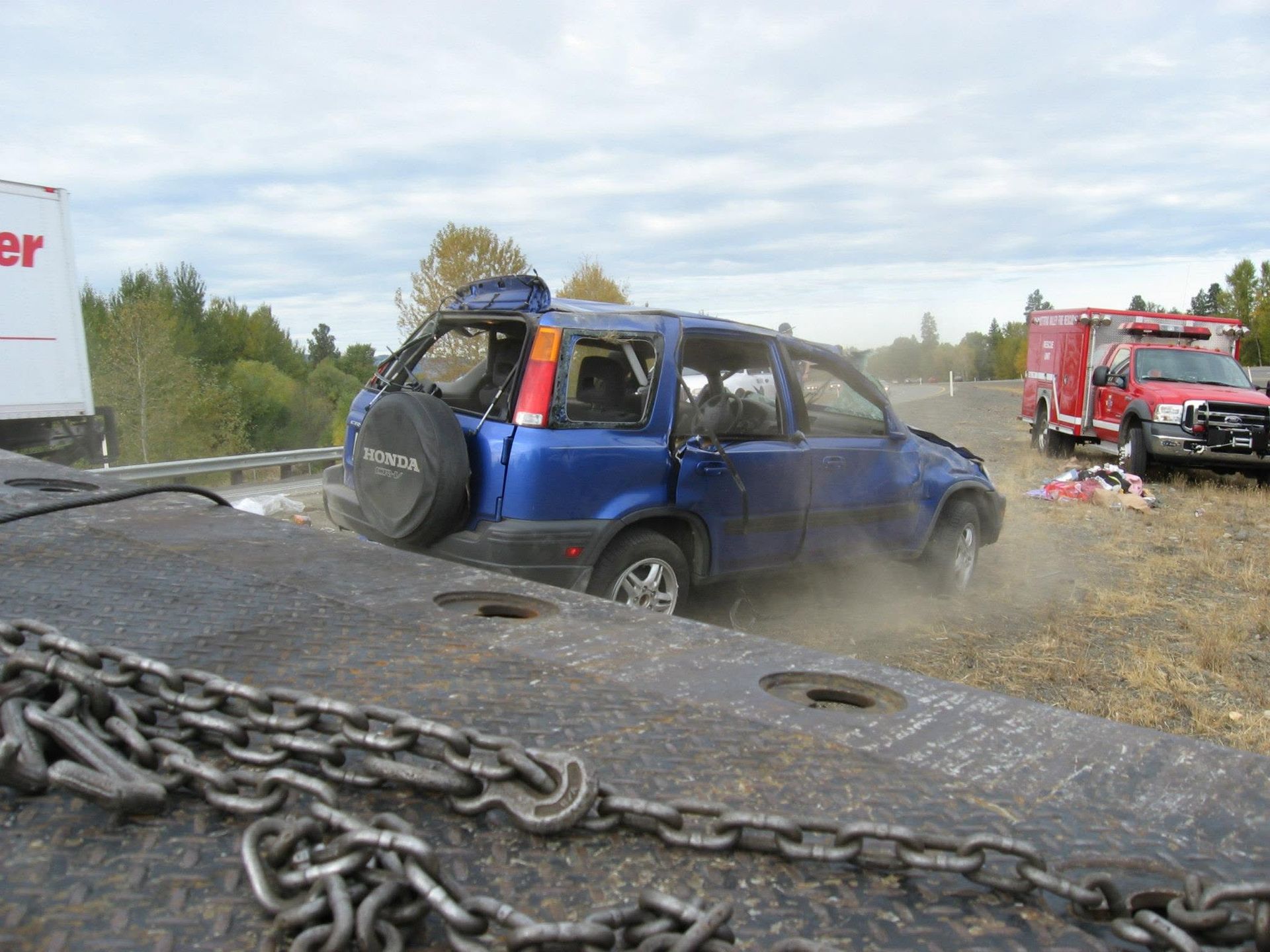
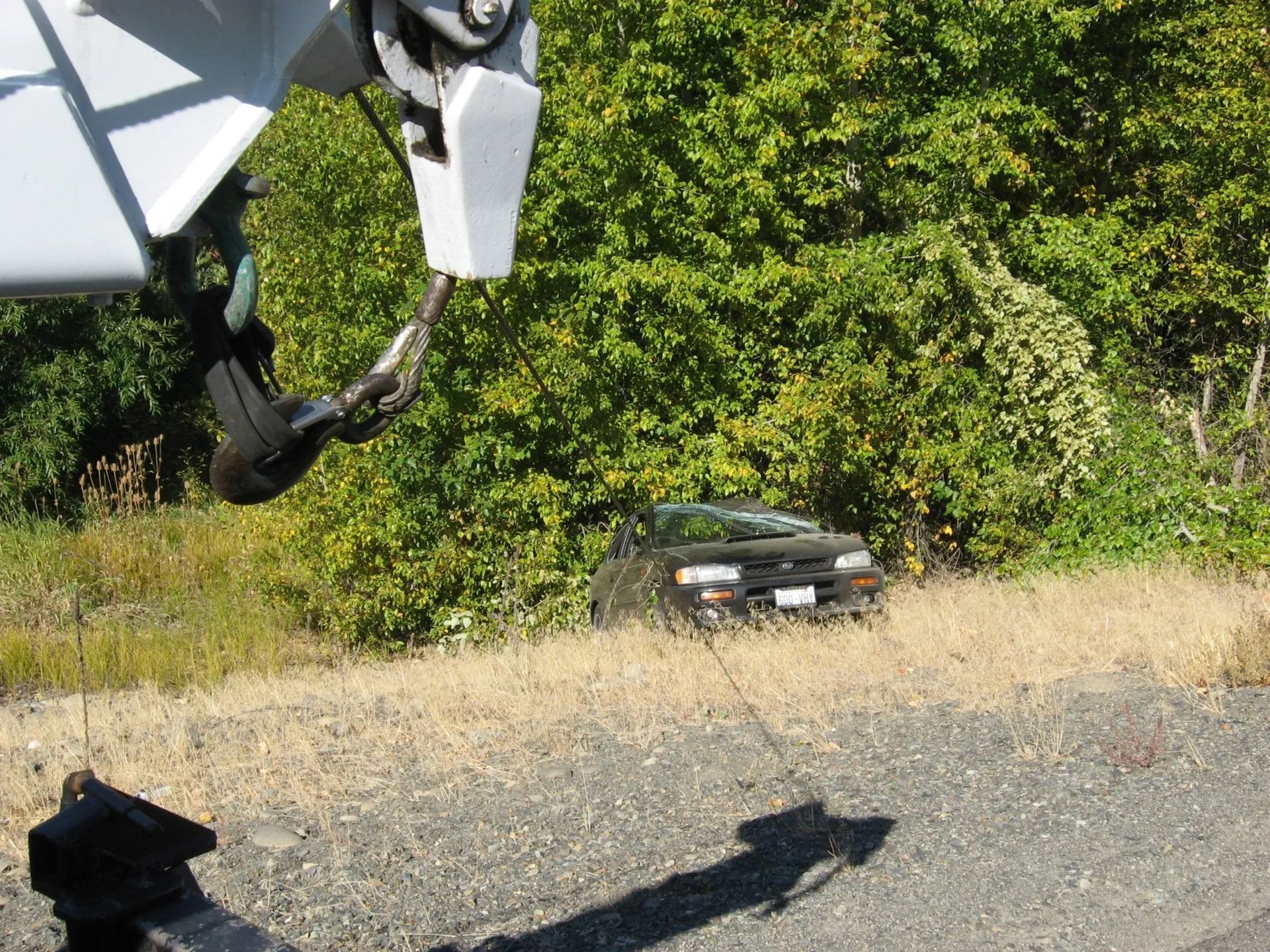
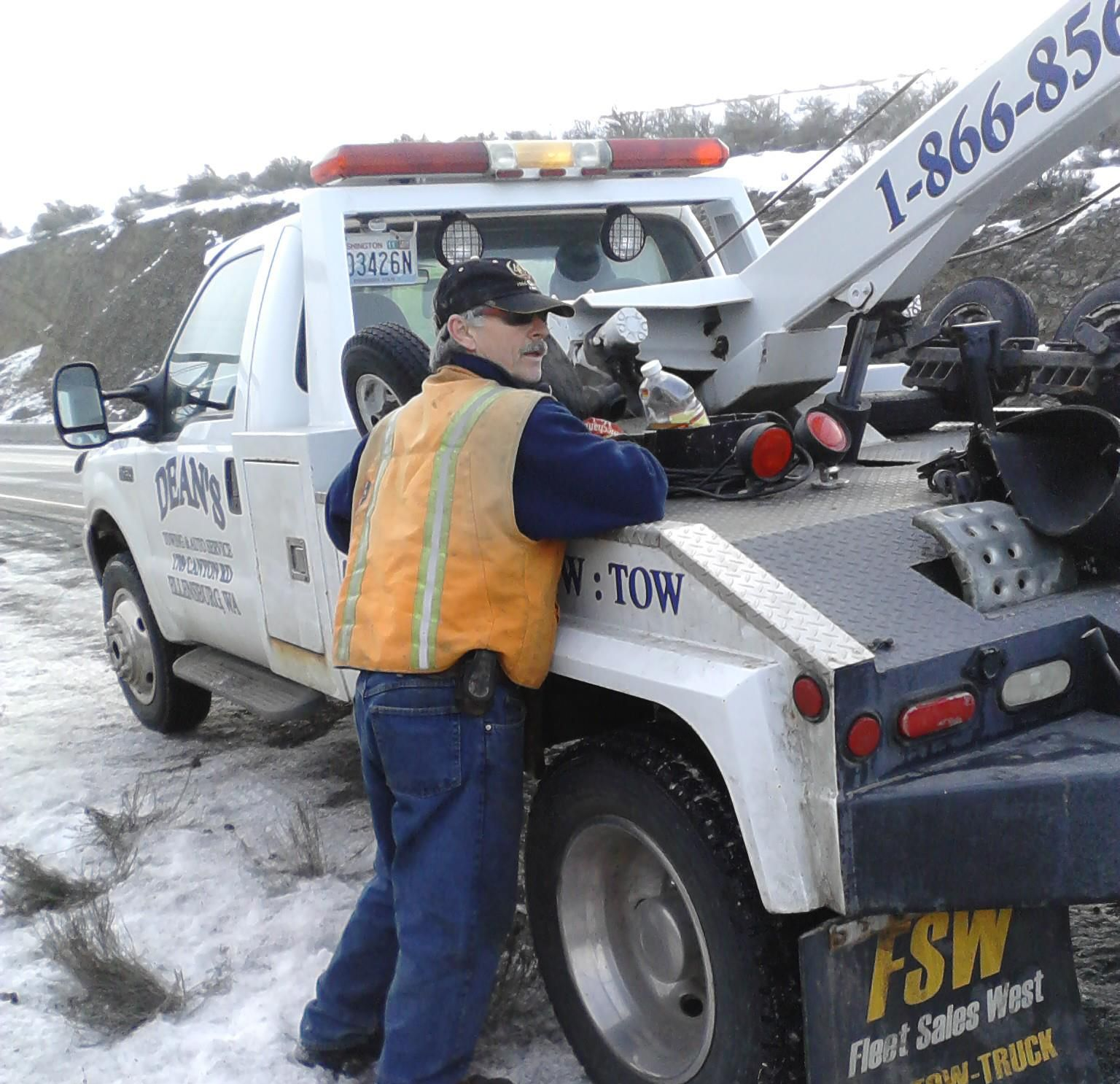
A winch-out is not just a stronger version of flooring the gas. It is a controlled pull along a chosen line, and that control is the whole point. When Dean's crews reach a car that has slid off, the operator looks at how the vehicle is sitting, which way it needs to travel to reach solid road, and what is under and around it. The recovery gets set up so the car comes out along a path that avoids the ditch, the berm, or the drop-off that a panicked driver might have steered straight into.
The winch cable and rigging apply steady, directed force rather than the jerky, wheel-spinning effort of a stuck driver. On an icy or snow-covered slope, the truck itself has to be positioned and anchored so it stays put while it pulls, which is exactly the judgment that keeps a recovery from turning into two stuck vehicles. Different situations call for different approaches, and matching the method to the terrain is what protects the vehicle from being dragged over something that bends a control arm or tears at the underbody.
This is also why the earlier advice to not gun it matters for the recovery itself. A car resting gently in the snow is far easier and safer to pull out than one that has been driven hard into a ditch or spun down onto a sheet of ice it made itself. The less you disturb the position, the cleaner the winch-out.
Frequently Asked Questions
Should I stay in my car or get out after I slide off an icy road?
If traffic is still passing, remain buckled inside your vehicle because it offers better protection than standing outside. Exit only when the area is clearly safe, then move well away from the roadway instead of remaining beside your disabled vehicle nearby.
Why shouldn't I just try to drive out of the snow myself?
Aggressively accelerating usually causes tires to dig deeper or polish snow into slippery ice, making recovery harder. If gentle attempts fail after only a few tries, stop immediately and request professional assistance before worsening the vehicle's position or creating additional damage.
Is it safe to run my engine to stay warm while I wait?
Yes, but only after ensuring the exhaust pipe remains completely clear of snow. Run the engine briefly, crack a window slightly for ventilation, and avoid continuous idling because blocked exhaust can allow dangerous carbon monoxide to enter the passenger compartment inside.
How does a winch-out get my car out without damaging it?
A professional winch-out uses controlled pulling force instead of spinning tires. Operators evaluate the vehicle's position, secure recovery equipment properly, and choose the safest pulling angle, reducing unnecessary stress on suspension components, underbody parts, wheels, and surrounding terrain during recovery.
What should I do first the moment I slide off the road?
Turn on your hazard lights immediately and determine whether traffic presents an immediate danger. Stay inside if conditions remain unsafe, then contact a towing service and provide your exact location, nearby landmarks, or mile markers to speed recovery and assistance arrival.
What should I keep in my car for winter drives over the passes?
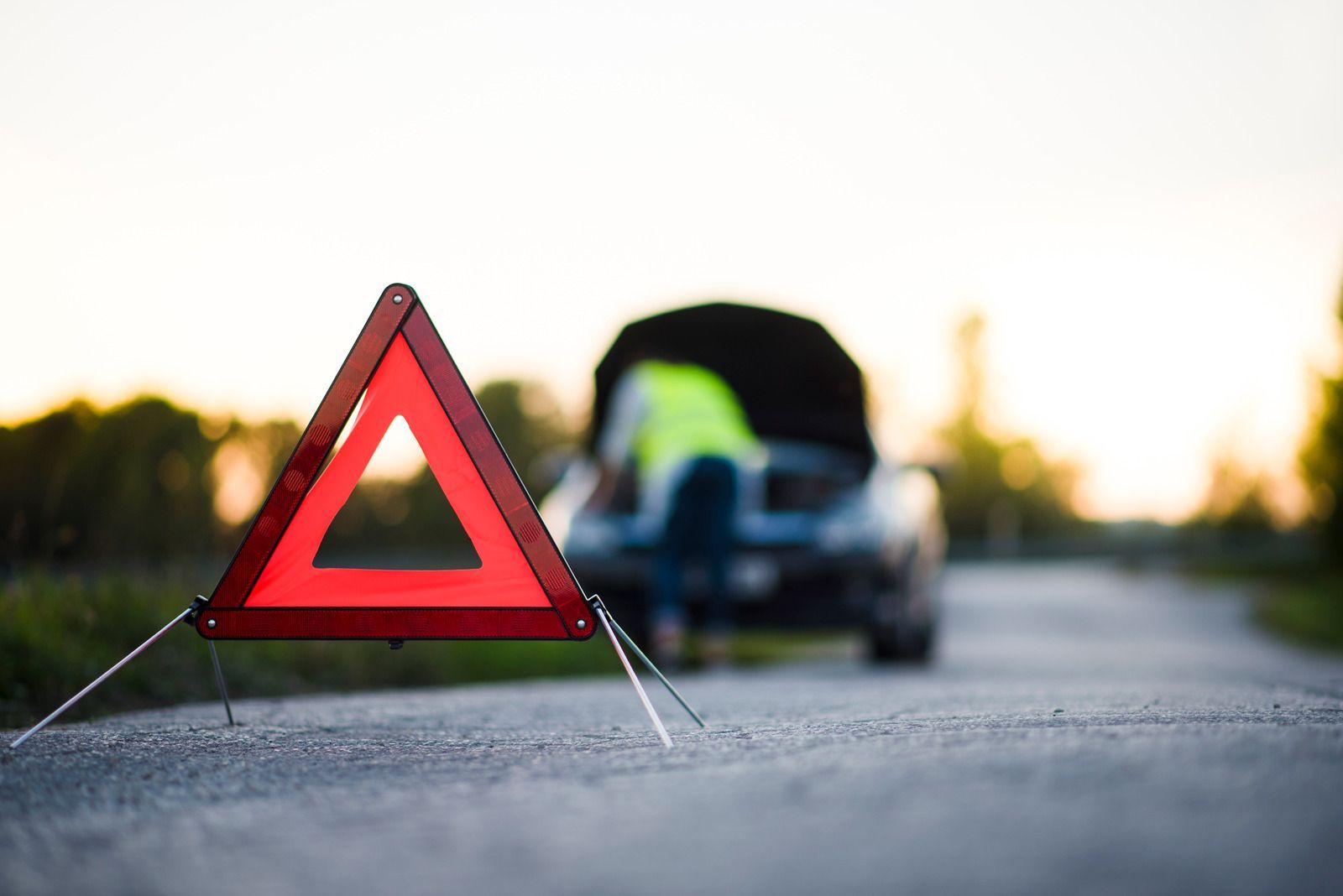
Carry a shovel, flashlight, blankets, warm clothing, traction material, warning triangles, first-aid supplies, phone charger, water, and snacks. Keeping your fuel tank at least half full also provides extra heating capability while waiting safely for roadside assistance during winter emergencies.
Getting Back on the Road the Right Way
A slide-off feels like a moment that demands instant action, and it does, just not the action most people reach for. The right first moves are to protect yourself from traffic, keep still if cars are still sliding toward you, and resist the urge to power the car free before you can see what it is resting against. From there, the job is staying warm, visible, and in place while a recovery is set up. Do those things and a car off the shoulder stays a simple pull rather than a deeper mess dug in by spinning tires.
Get a controlled
winch-out instead of digging yourself in deeper — When your car has slid off an icy pass or canyon road, every attempt to gun it out risks sliding further off the shoulder or dropping a wheel into a hidden ditch. With 45 years of experience, Dean’s Towing & Auto Service reads how the vehicle is sitting, anchors the truck on the ice, and pulls the car back onto solid road along a planned line that protects the underbody and suspension in Ellensburg, Washington. Stay buckled, keep your hazards on, and request a winch-out so the recovery is done right the first time.