Fuel Delivery Facts: Why Running Out Isn’t the End of the Road
Running out of fuel while on the road is one of the most stressful experiences a driver can face. Whether it happens during a busy commute, a long road trip, or late at night, the sudden halt can cause panic, disrupt schedules, and create safety concerns. Despite careful planning, fuel miscalculations, unexpected traffic, or detours can leave even the most vigilant drivers stranded. However, the rise of fuel delivery services has transformed how motorists handle these emergencies. What once required waiting for roadside assistance, walking to a gas station, or improvising risky solutions can now be resolved quickly and safely.
Understanding fuel delivery is crucial not just for convenience but for overall vehicle safety and efficiency. Fuel delivery services are designed to provide timely assistance while minimizing downtime, ensuring drivers can get back on the road without complications. This blog explores key fuel delivery facts, practical strategies for avoiding fuel emergencies, and insights into how professional services operate. By understanding these aspects, drivers can approach fuel shortages with confidence, turning what used to be a stressful situation into a manageable one. Running out of gas doesn’t have to be the end of your journey—it can simply be an opportunity to leverage modern, reliable solutions.
1. How Fuel Delivery Services Work
Understanding the Process
Fuel delivery services are structured to provide prompt assistance when a vehicle runs out of gas. Once a driver requests service—often via a mobile app or a call center—a trained technician is dispatched with the appropriate fuel type for the vehicle. Modern services utilize GPS tracking and real-time dispatch systems to reduce wait times and optimize routes. Typically, the technician arrives with a portable fuel tank containing the required fuel, pumps it into the vehicle, and ensures the engine is running safely before leaving the scene.
Types of Fuel Provided
Most fuel delivery services carry gasoline and diesel in various octane ratings to accommodate different engines. Some specialized services may offer ethanol blends or premium fuels. Ensuring the correct type of fuel is delivered is critical, as misfuelling can cause engine damage and costly repairs. Drivers are encouraged to provide accurate vehicle information and fuel specifications when requesting assistance.
Real-World Scenarios
Consider a commuter stranded during morning traffic with only a quarter tank left—fuel delivery services can prevent being late for work or missing appointments. Similarly, long-haul truck drivers or RV owners benefit from on-the-spot refueling in remote areas where fuel stations are sparse. In both cases, fuel delivery services offer convenience, reliability, and peace of mind.
2. Common Causes of Running Out of Fuel
Miscalculating Fuel Needs
One of the leading causes of fuel emergencies is simple miscalculation. Drivers may underestimate consumption, fail to account for detours, or ignore warning indicators. Vehicles with older fuel gauges or inaccurate trip computers increase the risk. Keeping a mental or written note of fuel levels and planning stops in advance helps reduce this risk.
Traffic and Route Changes
Unexpected traffic delays or sudden changes in route can increase fuel consumption beyond planned levels. Stop-and-go traffic, detours, and mountainous terrains require more fuel than smooth, predictable routes. Being aware of traffic patterns and using navigation apps that estimate fuel consumption can prevent unexpected shortages.
Vehicle Efficiency Issues
Mechanical problems such as clogged fuel filters, inefficient injectors, or worn-out spark plugs can decrease fuel efficiency and lead to quicker depletion. Regular maintenance ensures optimal performance and reduces the chances of running out of fuel unexpectedly. Even well-maintained vehicles can encounter issues due to aging parts or extreme weather conditions.
Behavioral Factors
Driver habits—such as aggressive acceleration, excessive idling, or carrying heavy loads—affect fuel consumption. Educating drivers on efficient driving techniques helps extend fuel range and minimizes the likelihood of emergency situations.
3. Safety Considerations When Out of Fuel
Risk of Stranding in Unsafe Areas
Running out of gas on highways, poorly lit roads, or isolated areas presents significant safety risks. Drivers may be forced to exit their vehicle in unsafe conditions or become vulnerable to accidents. Fuel delivery services mitigate these risks by providing assistance directly at the vehicle’s location, eliminating the need for risky maneuvers.
Preventing Vehicle Damage
Attempting to drive on an empty tank can cause damage to fuel pumps, injectors, or engine components. Modern fuel pumps rely on fuel as a lubricant and coolant; running completely dry can overheat or damage these components. Fuel delivery services prevent this by providing just enough fuel to safely reach a station, avoiding costly repairs.
Emergency Preparedness
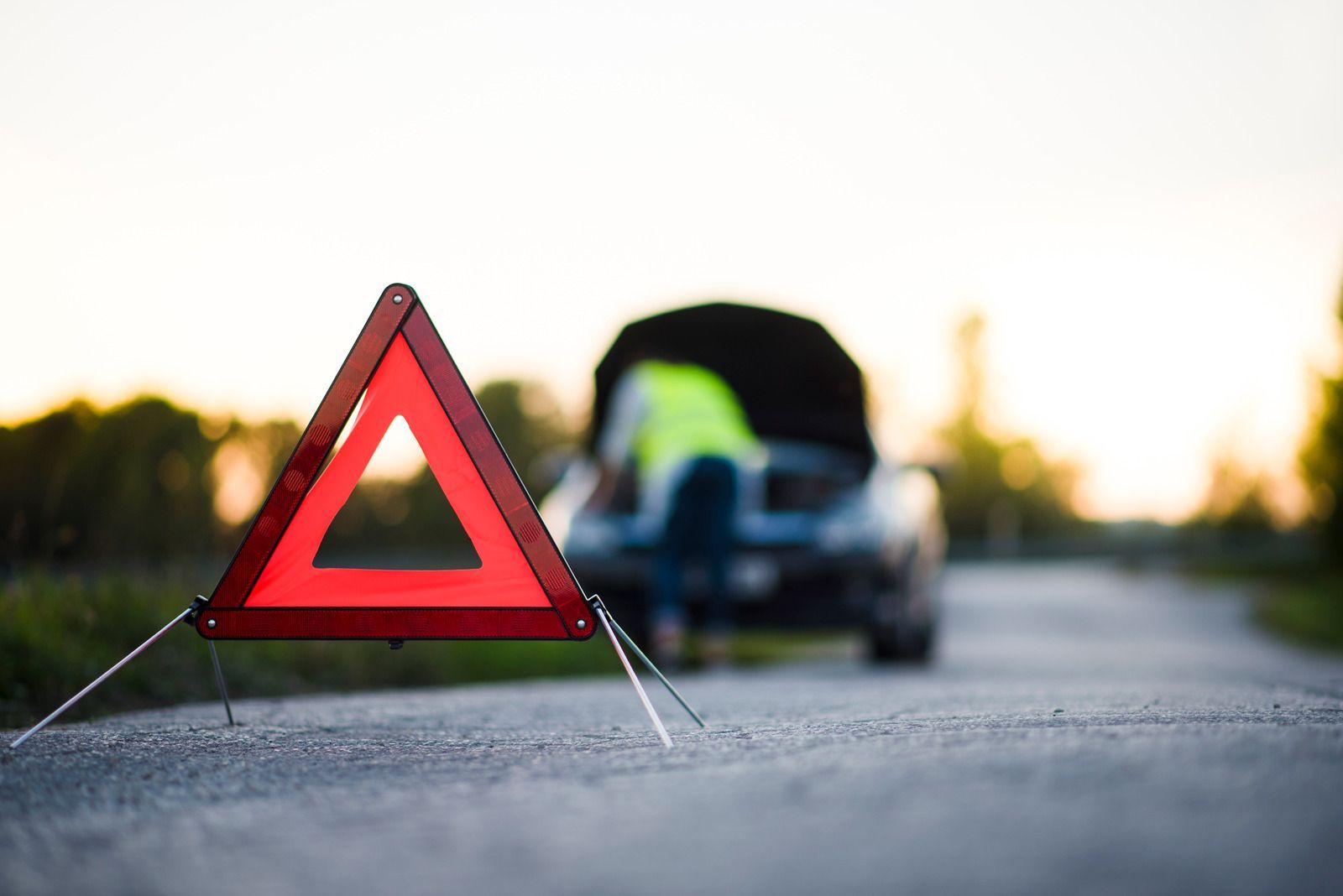
Keeping an emergency kit—including a flashlight, reflective triangles, and communication devices—is recommended when driving in unfamiliar or remote areas. While fuel delivery reduces the likelihood of dangerous situations, preparedness ensures safety in case delays occur. Combining practical safety measures with professional service ensures a comprehensive approach.
4. Benefits of Professional Fuel Delivery Services
Convenience and Time-Saving
Perhaps the most immediate benefit of fuel delivery services is convenience. Drivers no longer need to walk miles to a gas station or arrange rides to refuel their vehicle. The service arrives at the location, allowing drivers to resume their journey quickly and with minimal disruption.
Reliable Assistance in Remote Areas
Rural areas or regions with limited gas stations pose unique challenges for motorists. Fuel delivery services extend coverage to these areas, ensuring that drivers are not stranded for extended periods. For long-haul drivers, RV travelers, and off-grid adventurers, this reliability is invaluable.
Expertise and Accuracy
Professional fuel delivery personnel are trained to handle different types of fuel, vehicle engines, and emergency scenarios. They ensure that the correct fuel type is delivered and that the vehicle starts safely, reducing the risk of misfuelling or mechanical issues. Their expertise adds a layer of reassurance for drivers who may otherwise be uncertain about handling fuel emergencies.
Cost-Effectiveness
While some drivers may perceive fuel delivery as an added expense, it can prevent higher costs associated with towing, engine damage, or missed commitments. In many cases, the cost of service is far lower than potential alternatives, making it a practical solution for both individuals and fleet operators.
5. Best Practices for Avoiding Fuel Emergencies
Monitoring Fuel Levels
Regularly checking fuel levels and planning refueling stops ahead of time is one of the simplest strategies for avoiding emergencies. Setting reminders or using vehicle telematics can help maintain awareness, even on long or unfamiliar trips.
Leveraging Fuel Apps and GPS Tools
Modern apps allow drivers to locate nearby gas stations, estimate fuel consumption, and even schedule fuel delivery services in advance. These digital tools enhance planning, reduce stress, and help avoid running on empty. Some fleet management platforms also provide predictive alerts, helping commercial drivers maintain optimal routes and fuel efficiency.
Maintaining Vehicle Health
Routine maintenance—such as changing filters, checking fuel lines, and ensuring proper engine function—directly impacts fuel efficiency. Well-maintained vehicles not only consume less fuel but also reduce the risk of breakdowns or stranded situations.
Planning for Emergencies
Even with precautions, fuel emergencies can occur. Keeping contact information for local fuel delivery services, roadside assistance, or towing companies ensures quick resolution. Drivers should also carry a small reserve of fuel where legally and safely permissible, especially in remote areas.
6. Future Trends in Fuel Delivery Services
Mobile Integration and Automation
Technological advances are transforming fuel delivery. Mobile platforms now allow drivers to request fuel, track service progress, and pay electronically. Some services are experimenting with automated fuel trucks capable of reaching vehicles efficiently in high-traffic zones. This integration improves response times and overall service efficiency.
Sustainability and Eco-Friendly Options
Environmental concerns are influencing fuel delivery models. Some companies are introducing biofuel options, electric vehicle charging delivery, and hybrid fuel solutions. This shift reflects the growing demand for sustainable practices in automotive services, enabling drivers to access fuel solutions that align with eco-conscious values.
Expansion of Fleet Support Services
Commercial fleets benefit significantly from fuel delivery innovations. Services are evolving to include bulk fuel delivery, on-site fueling for trucks and vans, and integrated fleet management systems. Businesses save time, reduce downtime, and optimize operational efficiency by leveraging these solutions.
Enhanced Safety Protocols
The focus on safety continues to drive improvements. Technicians are trained in hazardous material handling, fire prevention, and vehicle-specific protocols. Enhanced safety measures ensure that fuel delivery remains a reliable, low-risk solution for drivers in diverse situations.
Reliable Assistance From Experienced Fuel Delivery Professionals
Running out of fuel no longer has to spell disaster. With modern fuel delivery services, drivers can address emergencies safely, efficiently, and with minimal stress. Understanding how these services operate, recognizing the common causes of fuel shortages, and implementing preventative measures empower motorists to take control of their journeys. Professional fuel delivery offers convenience, reliability, and protection against potential vehicle damage, making it a practical solution for both everyday commuters and long-distance travelers.
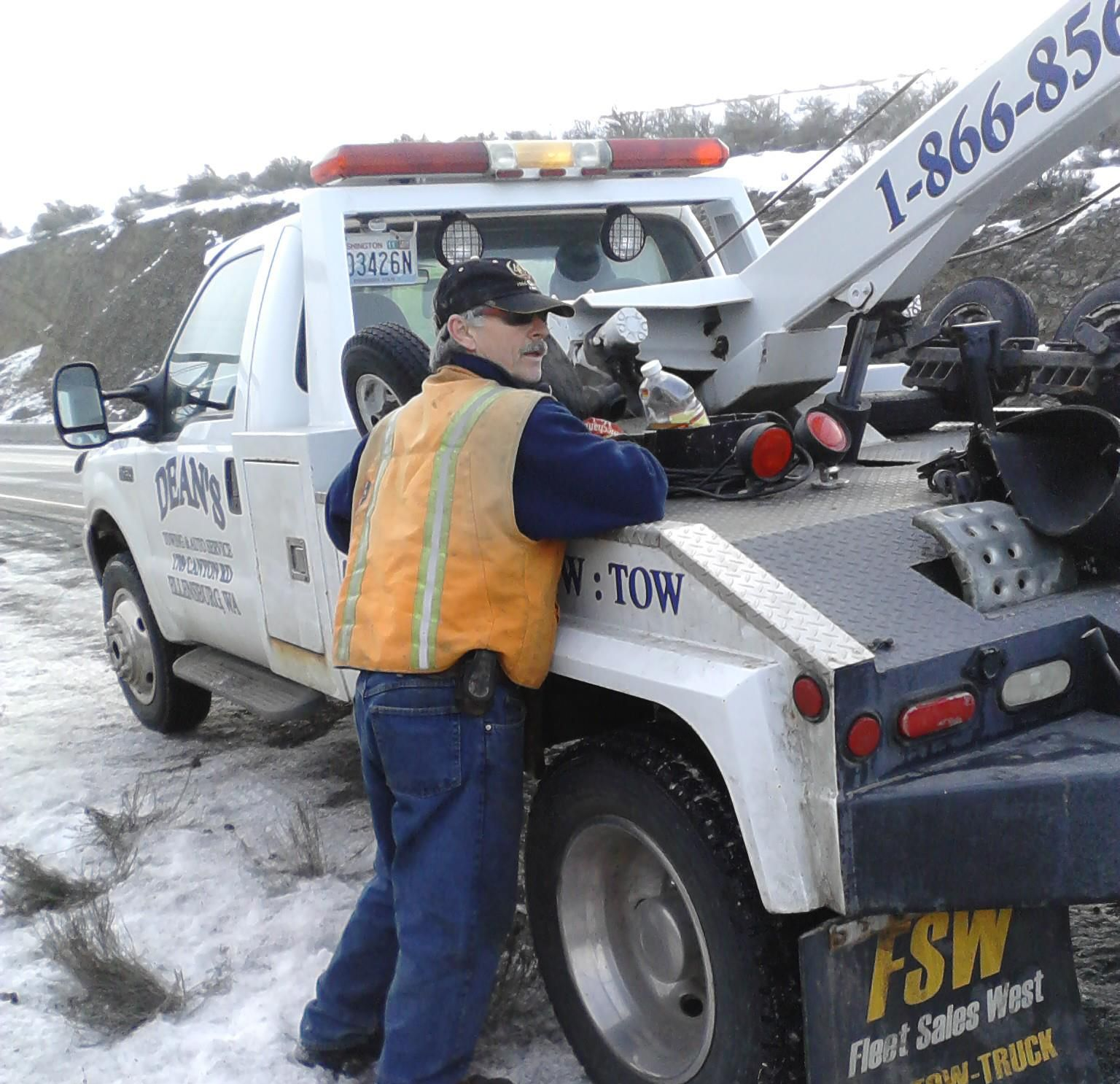
For drivers in Ellensburg, Washington, Dean’s Towing & Auto Service
has been a trusted name for over 45 years. Our team specializes in rapid, professional fuel delivery, ensuring that no driver is left stranded. With decades of experience, advanced equipment, and a commitment to safety and customer satisfaction, we provide more than just fuel—we deliver peace of mind. Whether you encounter an unexpected shortage or require regular fleet support, Dean’s Towing & Auto Service
stands as a reliable partner you can count on to keep your journey moving forward efficiently and safely.