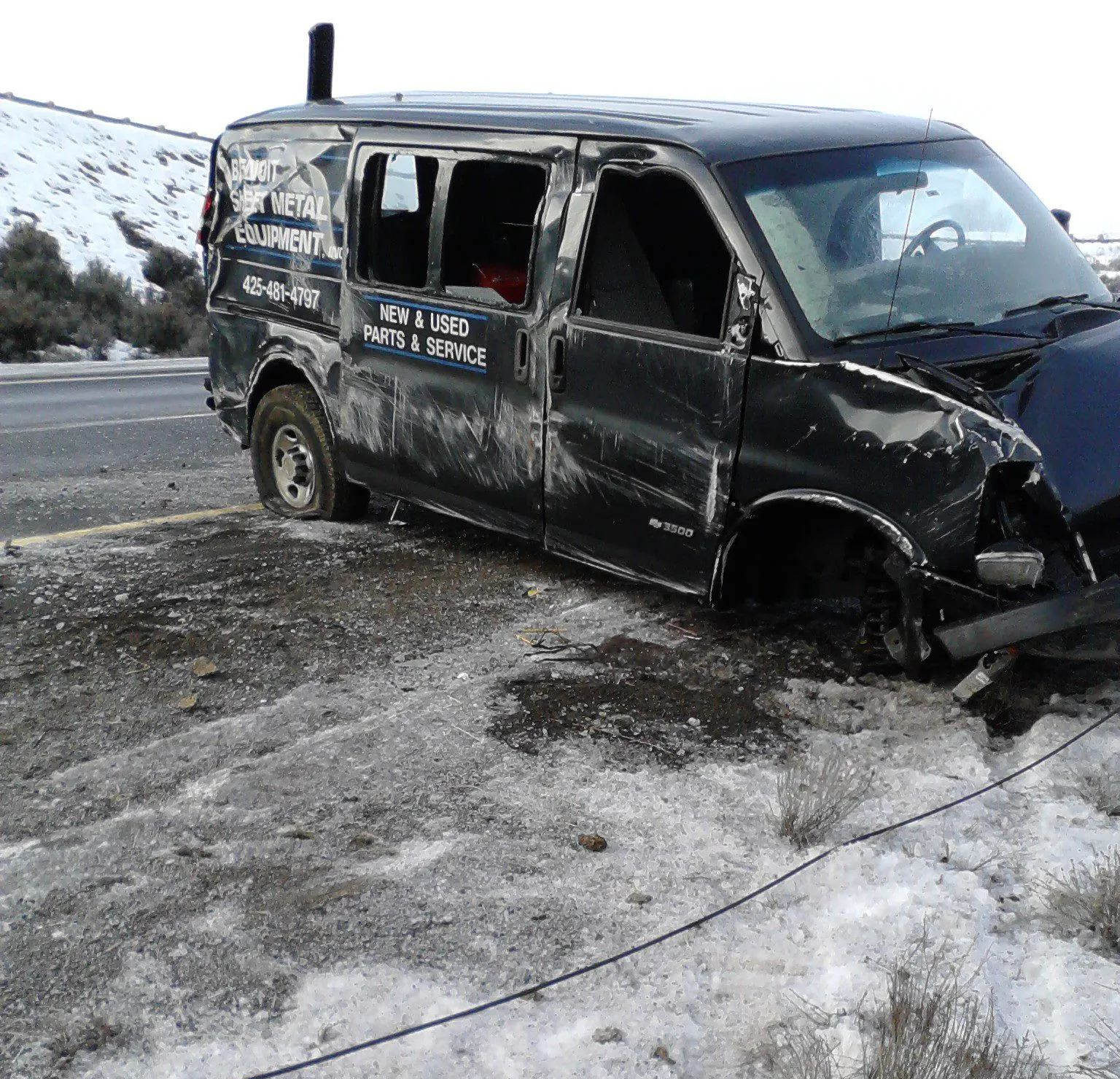
Preparing for Winter Travel: Towing Tips for Snowy Drives
Winter travel introduces a unique set of driving challenges that can quickly escalate when towing a trailer, camper, or heavy load. Snow-covered highways, icy intersections, reduced daylight, and unpredictable weather patterns demand greater preparation, awareness, and technical driving skills. Towing amplifies these risks by increasing stopping distances, reducing traction control effectiveness, and placing additional strain on vehicle systems. For drivers who rely on towing for work, relocation, or recreational travel, understanding how winter conditions affect performance is essential for maintaining safety and efficiency.
Preparing for snowy drives involves far more than installing winter tires or checking weather forecasts. It requires a proactive approach that includes vehicle inspections, load balancing, route planning, and mastering defensive driving techniques. Drivers must anticipate reduced maneuverability, sudden skidding risks, and limited roadside assistance access in remote or storm-affected areas. By adopting practical towing strategies and prioritizing preventive maintenance, motorists can reduce breakdown risks, protect cargo, and ensure smoother journeys during harsh winter months. This guide explores essential towing tips designed to help drivers stay confident, prepared, and safe while navigating winter travel conditions.
Understanding Winter Towing Challenges
Reduced Traction and Control
Snow and ice significantly decrease tire grip, making acceleration, braking, and turning more difficult for drivers navigating winter highways. When towing, the added weight pushes momentum forward, increasing the likelihood of skidding or dangerous jackknifing situations. Drivers must recognize that even advanced traction control systems cannot fully compensate for extremely poor road conditions. Maintaining slower speeds and increasing following distance becomes essential to offset reduced responsiveness and unpredictable vehicle behavior.
Additionally, icy patches often appear unexpectedly in shaded areas, bridges, and rural roads during colder travel periods. Towing drivers should stay vigilant and avoid sudden steering movements that could destabilize both vehicle and trailer alignment. Gradual inputs help maintain balance, enhance directional stability, and improve overall towing control in slippery environments.
Extended Stopping Distances
Braking performance declines dramatically in winter due to reduced tire friction and unpredictable surface conditions. A vehicle towing a loaded trailer requires significantly more distance to come to a complete stop safely. Anti-lock braking systems help prevent wheel lock, but physics still governs momentum and vehicle stopping limitations. Drivers must anticipate stops earlier, especially at downhill intersections, sharp curves, or congested urban highways.
Practicing controlled braking in safe environments before long trips can build confidence and improve driver response timing. Understanding how braking feels when towing under snowy conditions prepares drivers for real-world emergencies and sudden roadway hazards.
Vehicle Preparation for Snowy Towing Trips
Tire Selection and Maintenance
Winter-rated tires provide improved traction due to specialized rubber compounds and tread patterns designed to grip snow and heavy slush effectively. Ensuring proper tire pressure is equally important, as cold temperatures reduce internal air pressure and compromise tire performance. Underinflated tires increase rolling resistance, reduce fuel efficiency, and can compromise towing stability during extended winter journeys.
Drivers should also inspect trailer tires for wear, cracking, or uneven tread before beginning seasonal travel plans. Many towing incidents occur due to neglected trailer maintenance rather than major vehicle system failures. Carrying a properly inflated spare tire helps prevent extended roadside delays and costly emergency towing situations.
Battery and Fluid Checks
Cold weather places heavy demands on vehicle batteries, often reducing starting power during freezing early mornings. Towing compounds this strain by requiring additional electrical output for trailer lights, braking systems, and heating functions. Testing battery health before winter travel minimizes the risk of unexpected failures and inconvenient roadside breakdowns.
Equally important is verifying antifreeze levels, windshield washer fluid rated for freezing temperatures, and proper transmission fluid condition. These components play a vital role in maintaining engine efficiency and drivetrain performance during long snowy journeys.
Load Management and Weight Distribution
Balanced Cargo Placement
Proper weight distribution directly affects towing stability, steering responsiveness, and braking performance on slippery winter roads. Placing excessive weight toward the rear of a trailer can cause swaying, especially on snow-covered highways. Ideally, heavier items should be positioned over or slightly forward of the trailer axle to improve balance and reduce fishtailing risks.
Securing cargo tightly prevents shifting during sudden stops, lane changes, or emergency steering corrections on icy roads. Even minor load movement can alter center-of-gravity dynamics, leading to dangerous handling characteristics in challenging winter conditions.
Understanding Towing Capacity Limits
Overloading a vehicle reduces braking efficiency, strains suspension components, and increases tire wear during prolonged travel. Winter travel magnifies these issues because traction is already compromised by snow, slush, and freezing rain. Drivers must review manufacturer towing capacity guidelines and factor in additional winter gear, such as chains or emergency kits, when calculating total load weight.
Using weight distribution hitches or sway control devices can further enhance safety and towing confidence significantly. These systems help stabilize trailers by redistributing load forces evenly across the entire towing setup.
Driving Techniques for Snowy Roads
Smooth Acceleration and Steering
Abrupt acceleration can cause wheel spin, while sudden steering inputs may trigger trailer sway or loss of control. Applying throttle gradually allows tires to maintain consistent contact with snowy surfaces and maintain directional stability. Steering corrections should be subtle, deliberate, and measured to avoid destabilizing the towing combination on slick highways.
Maintaining consistent speed also helps preserve traction and reduces unnecessary strain on drivetrain components. Cruise control should generally be avoided in winter conditions, as manual control enables quicker response to unexpected hazards.
Managing Downhill and Uphill Conditions
Descending snowy hills while towing requires strategic gear selection and heightened awareness of changing traction levels. Downshifting allows engine braking to reduce reliance on wheel brakes, lowering skid risk and improving control. Drivers should begin slowing before reaching downhill grades rather than reacting mid-descent during slippery travel situations.
When climbing hills, maintaining steady momentum without excessive acceleration prevents sudden loss of traction and vehicle instability. If wheel spin occurs, easing off the throttle and allowing tires to regain grip is more effective than forcing power delivery.
Emergency Preparedness and Roadside Safety
Building a Winter Towing Emergency Kit
Unexpected breakdowns or weather delays are more likely during winter travel across remote or mountainous regions. A well-equipped emergency kit improves survival, safety, and recovery outcomes during prolonged roadside waiting periods. Essential items include thermal blankets, high-visibility vests, ice scrapers, portable jump starters, tow straps, and traction aids such as sand or snow mats.
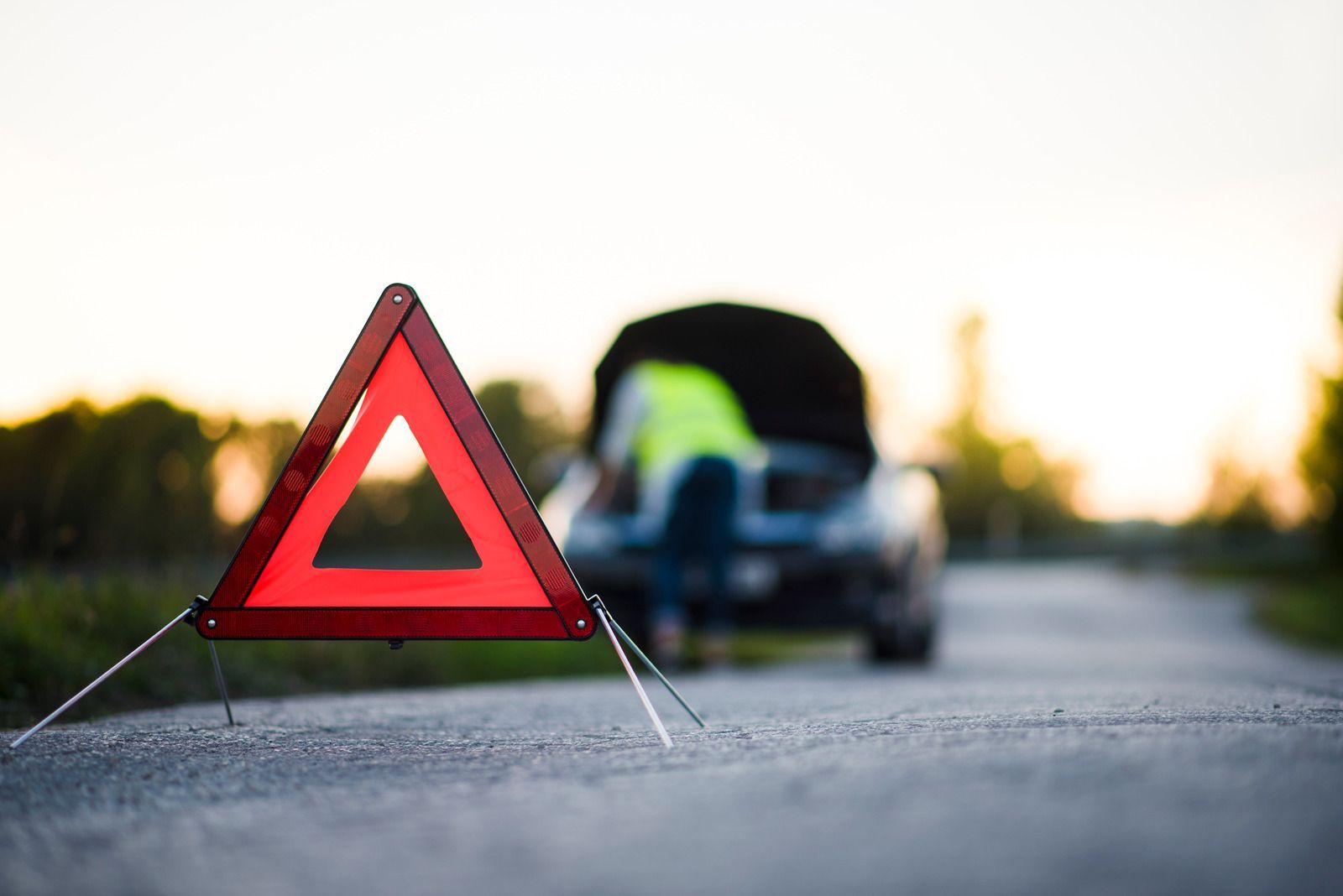
Keeping a fully charged mobile phone and backup power source ensures reliable communication access when roadside assistance is required urgently. Reflective warning triangles help alert approaching drivers in low-visibility conditions and reduce secondary collision risks significantly.
Knowing When to Stop or Seek Assistance
Weather conditions can deteriorate rapidly, making continued travel unsafe even for experienced towing drivers. Whiteout conditions, freezing rain, or unplowed mountain passes may require drivers to pause journeys until roads improve. Recognizing personal driving limits and prioritizing safety over schedules demonstrates responsible towing practices and mature decision-making.
Parking in designated rest areas rather than roadside shoulders reduces collision risks and improves overall roadside safety. If assistance becomes necessary, staying inside the vehicle provides warmth, visibility protection, and increased survival comfort while awaiting help.
Planning Routes and Monitoring Weather
Strategic Trip Scheduling
Winter towing success often depends heavily on timing, preparation, and proactive route awareness from experienced drivers. Monitoring forecasts helps drivers avoid peak storm periods, hazardous snowfall accumulation, and heavy traffic congestion. Departing during daylight hours improves visibility, reduces fatigue-related driving errors, and enhances hazard detection capabilities.
Planning alternative routes ensures flexibility if primary highways become impassable due to accidents or snow closures. Drivers should research fuel stops, lodging options, and service centers along travel paths, especially in remote regions.
Leveraging Technology for Real-Time Updates
Navigation applications and transportation authority alerts provide valuable information about road closures, accidents, weather advisories, and snow removal progress. Using these tools allows drivers to adjust travel strategies dynamically and make informed safety decisions.
However, technology should complement—not replace—driver judgment and real-time observation of road surface conditions. Conditions on the ground may differ from digital reports, making continuous awareness essential during winter towing trips. Combining technological insights with cautious driving habits creates a balanced and effective winter towing approach.
Experienced Roadside Professionals Supporting Snow Travel Confidence
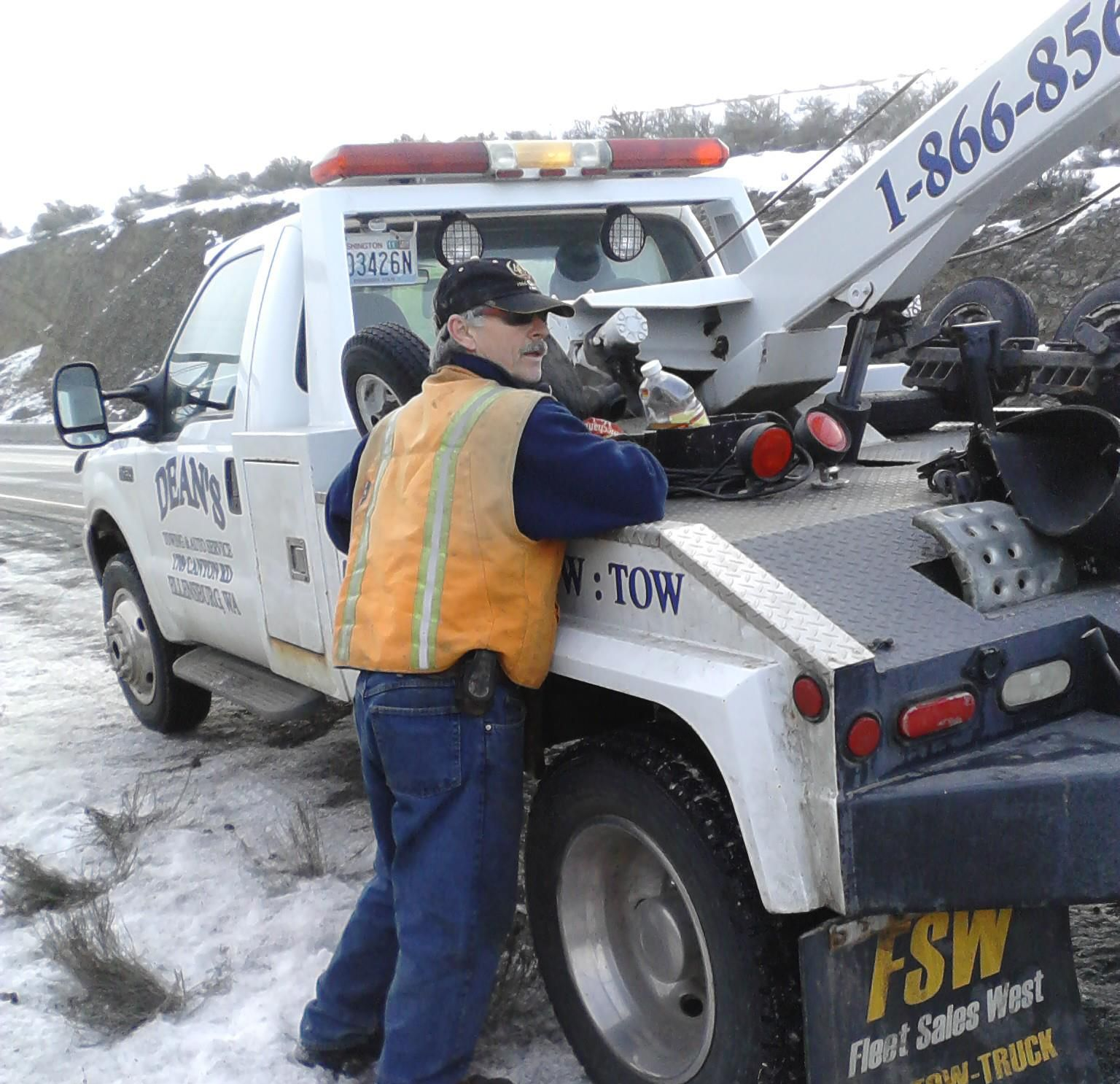
For drivers seeking dependable towing guidance and roadside assistance during winter travel, Dean’s Towing & Auto Service in Ellensburg, Washington, stands as a proven authority with 45years of experience. Our long-standing commitment to safety, professionalism, and responsive service makes us a trusted partner for motorists facing snowy road challenges. We understand that winter towing situations often demand quick decisions, specialized equipment, and knowledgeable support to minimize disruptions and ensure secure vehicle transport.
Our extensive industry experience allows us to handle diverse towing needs, from light-duty roadside recovery to complex winter vehicle assistance scenarios. By focusing on preventive care, expert handling practices, and customer-first service standards, we help drivers navigate seasonal risks with confidence. Our dedication to reliability ensures that motorists receive timely support when weather conditions become unpredictable or hazardous.
Choosing an experienced towing provider can make a meaningful difference in winter travel outcomes. With decades of hands-on expertise and a reputation built on trust, we continue to deliver dependable solutions that prioritize driver safety and vehicle protection. Whether preparing for long-distance towing or responding to unexpected roadside challenges, our commitment remains focused on helping drivers stay safe, prepared, and confident throughout the winter season.