Behind the Scenes at a Family-Owned Towing Company
The towing industry operates quietly in the background of daily transportation, yet it plays a critical role in keeping roads safe and traffic moving. Behind every successful roadside recovery is a coordinated system of communication, technical expertise, and rapid decision-making. Family-owned towing operations bring an added layer of dedication, where experience and responsibility are passed down through generations, creating a strong foundation of trust and reliability within the community. This behind-the-scenes structure ensures that even the most complex roadside situations are managed with precision, safety, and consistency under pressure. Every operation is guided by discipline, training, and a commitment to restoring normal traffic flow efficiently.
In a world where breakdowns, accidents, and roadside emergencies can happen without warning, towing services become an essential lifeline. The efficiency and professionalism of these services directly impact driver safety, vehicle protection, and overall traffic management. Family-run operations often stand out due to their deep-rooted commitment, hands-on involvement, and long-standing reputation built over decades. Every call received represents not just a service request but a responsibility to restore normalcy in stressful situations. Understanding how these operations function behind the scenes provides valuable insight into the discipline, coordination, and expertise required to run a dependable towing service in today’s demanding automotive landscape. These services also play a vital role in supporting emergency responders and maintaining road discipline during critical incidents.
Dispatch Operations and Emergency Coordination
Real-Time Communication Systems
Behind every towing response lies a structured dispatch system that manages incoming calls and assigns recovery units. Communication tools are designed to ensure instant coordination between drivers and operators. Each second matters when vehicles are stranded on highways or involved in accidents, requiring immediate response.
Prioritizing Emergency Calls
Emergency situations such as multi-vehicle collisions or roadside injuries are prioritized over standard breakdowns. Operators assess severity, location, and safety risks before assigning a truck. This structured triage system ensures that critical cases receive immediate attention without delay.
Example of Roadside Response
A stalled vehicle on a busy highway during peak hours demands rapid intervention. The dispatcher identifies the nearest available tow unit, evaluates traffic conditions, and communicates clear instructions to ensure safe arrival. This process reduces congestion and minimizes secondary accidents.
Challenges in Coordination
Unpredictable weather, traffic delays, and communication gaps can disrupt response efficiency. Maintaining accuracy under pressure requires strong operational discipline and reliable systems. Continuous training ensures smooth coordination even during peak demand periods.
Fleet Management and Equipment Readiness
Maintaining Tow Truck Reliability
Fleet readiness is essential for uninterrupted operations. Each tow truck undergoes regular inspection to ensure mechanical integrity, hydraulic efficiency, and safety compliance. Preventive maintenance reduces breakdown risks during active recovery missions.
Essential Recovery Equipment
Chains, winches, wheel lifts, and flatbed systems form the backbone of towing operations. Proper calibration and routine checks ensure that each tool functions effectively under stress. Equipment reliability directly influences service quality and safety outcomes.
Operational Example in Field Conditions
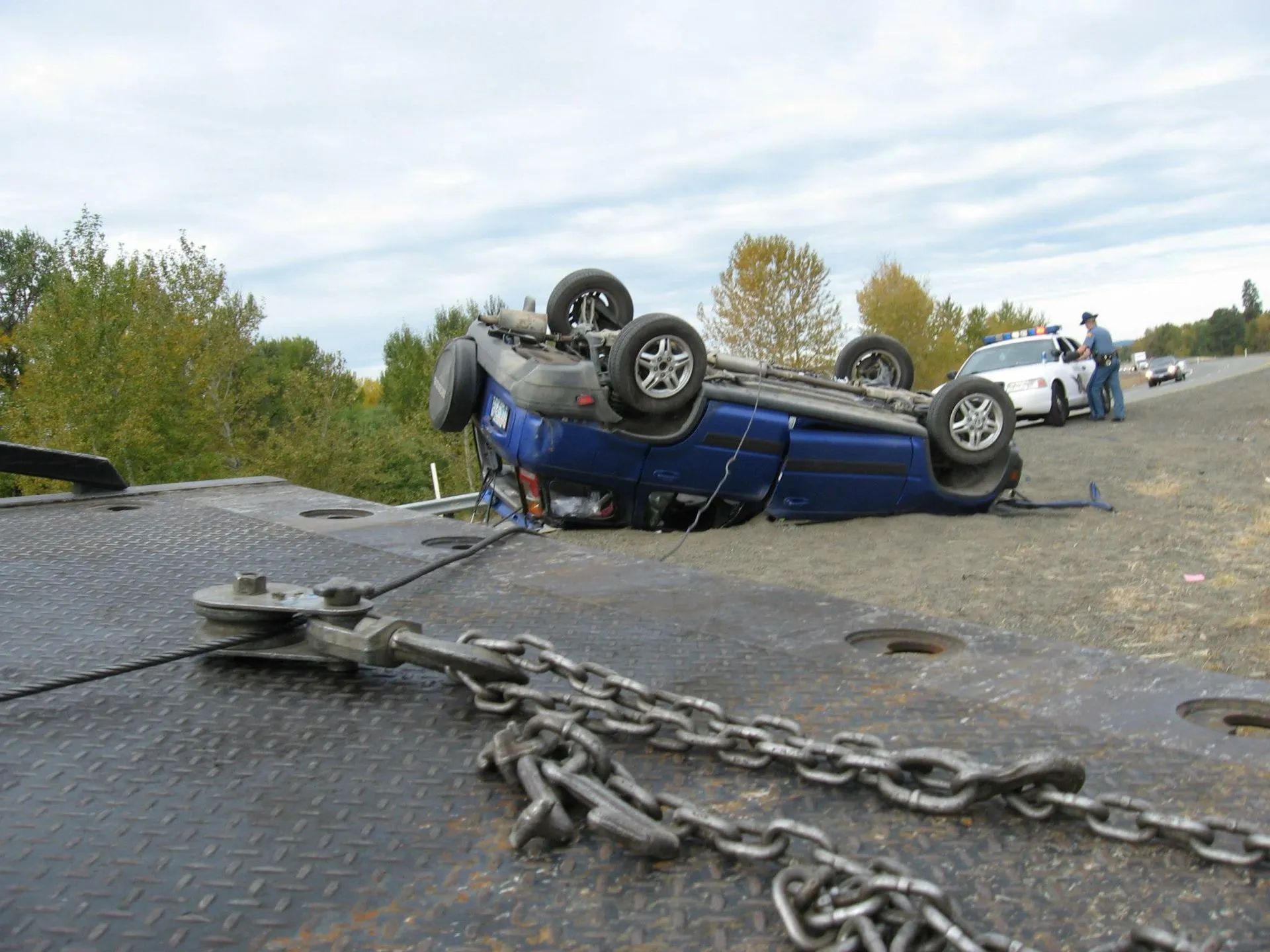
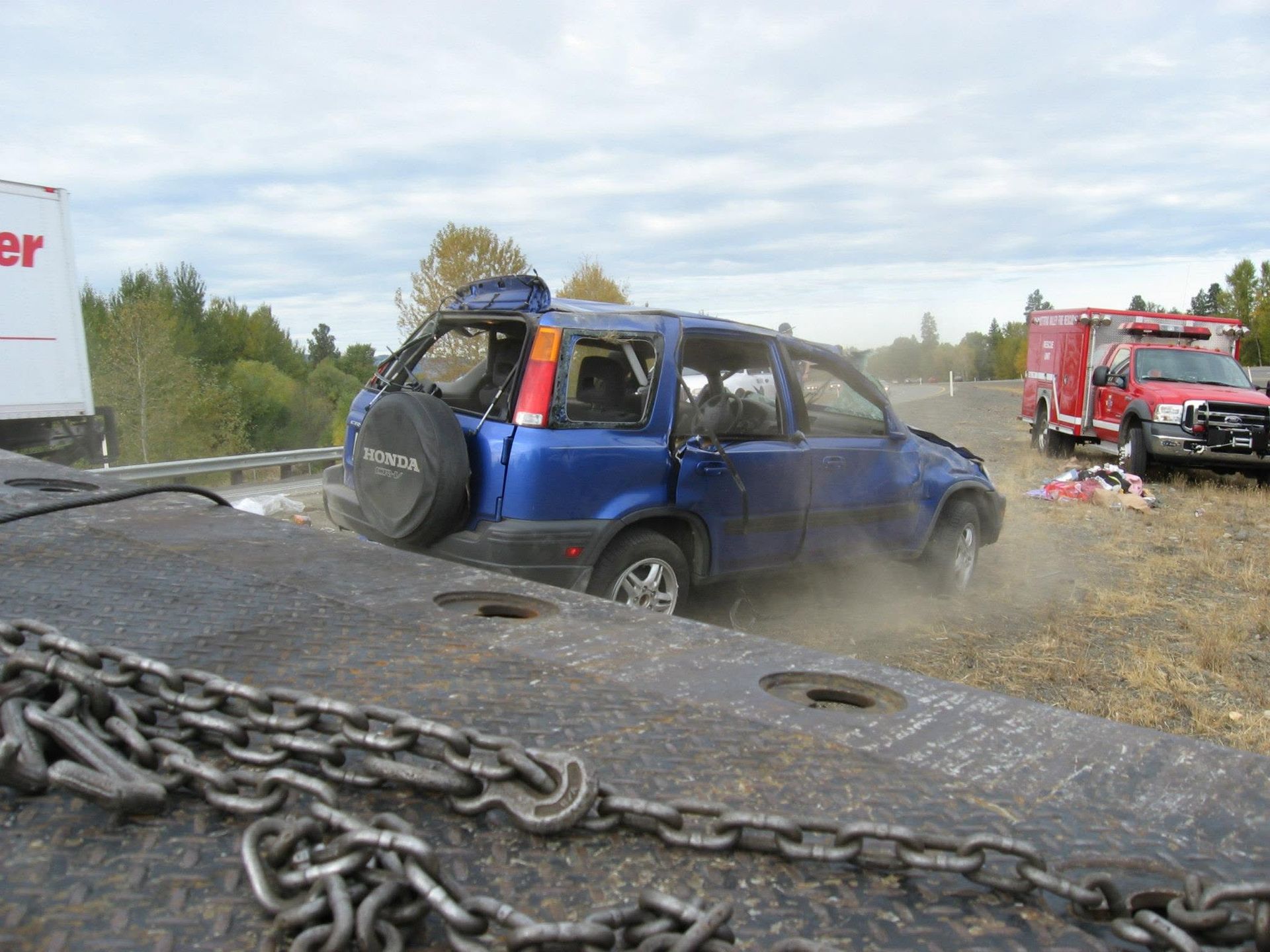
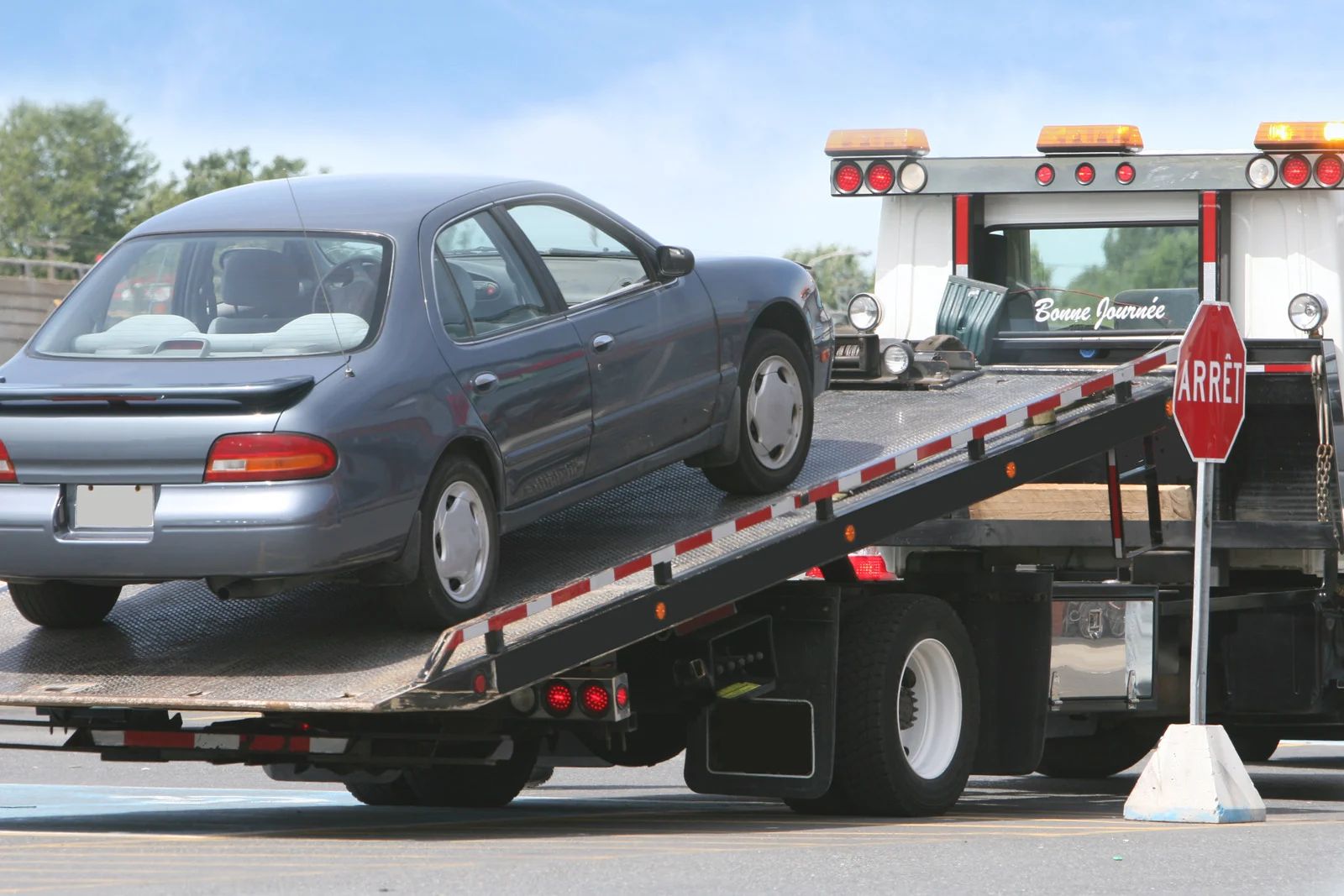
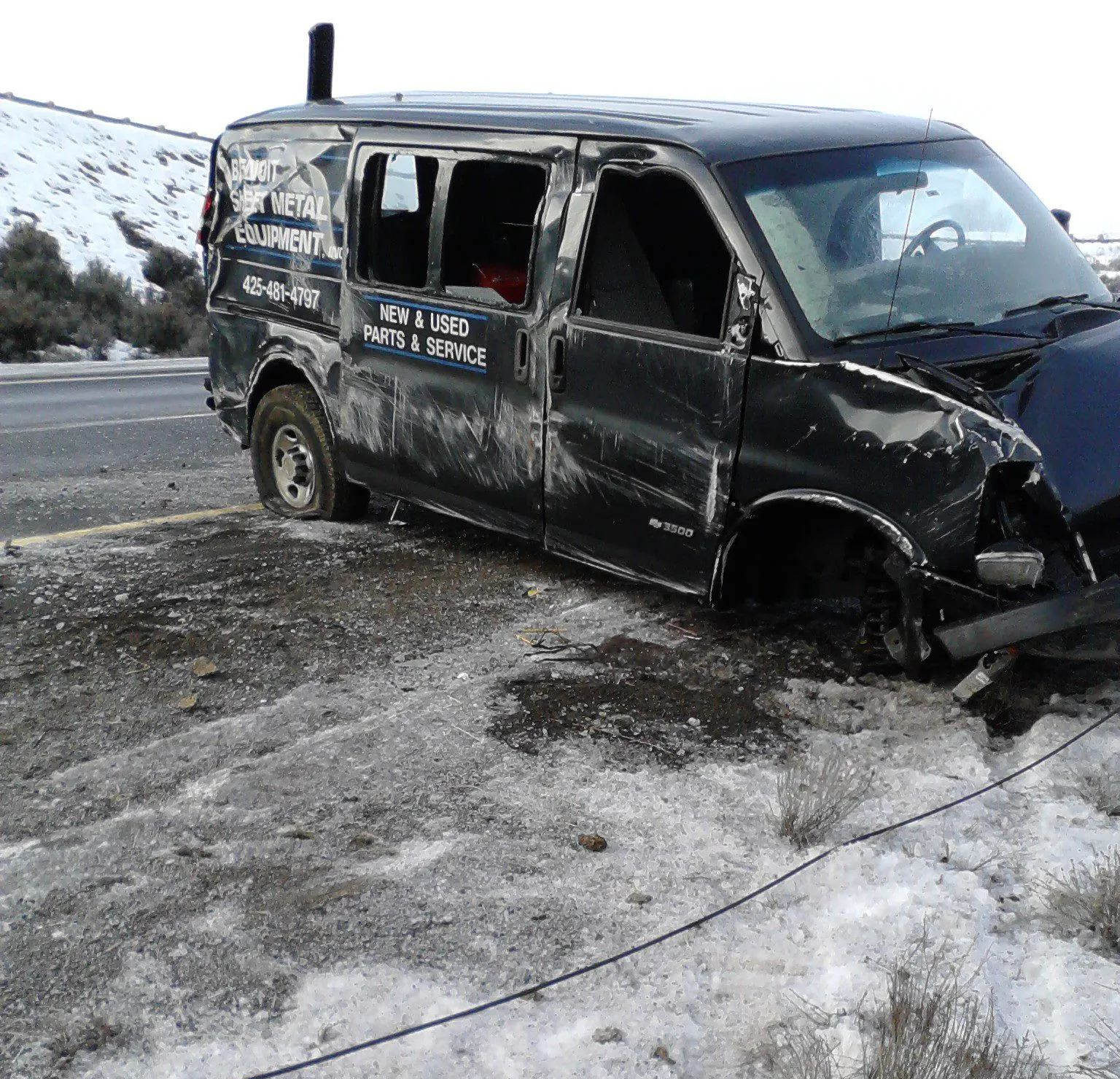
A heavily damaged vehicle requires flatbed transport to avoid further structural harm. Proper equipment selection ensures safe loading and transportation. Incorrect handling could result in additional damage, legal issues, or safety hazards.
Maintenance Challenges
Continuous usage, harsh weather exposure, and long-distance towing create wear and tear on vehicles and tools. Scheduled servicing, timely replacements, and inventory management play a crucial role in maintaining operational readiness at all times.
Driver Expertise and On-Ground Decision Making
Technical Skill Development
Tow truck operators require extensive training in vehicle recovery, mechanical understanding, and safety protocols. Skills are developed through hands-on experience and continuous learning, ensuring confidence in complex recovery scenarios.
Safety Protocol Execution
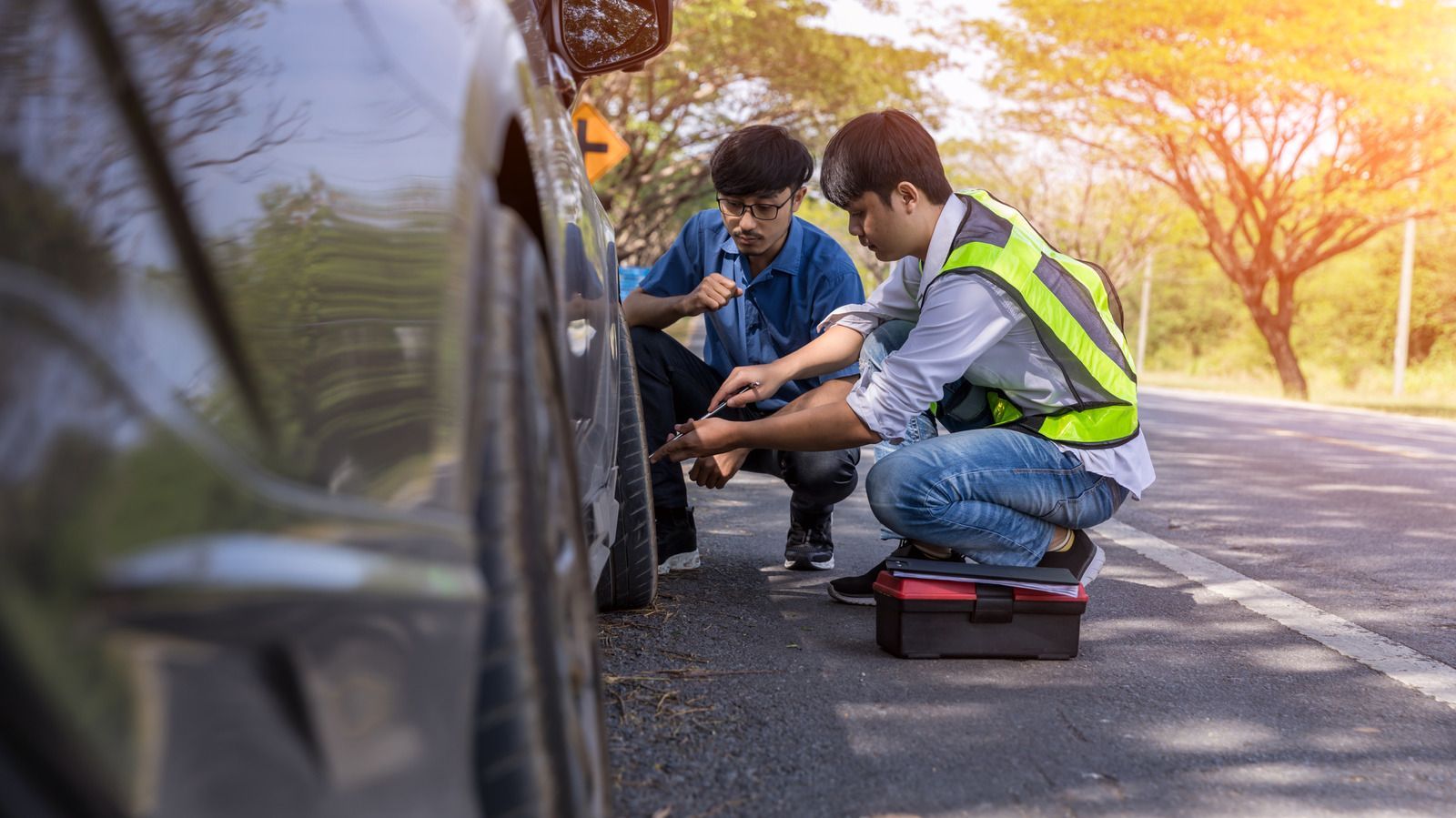
Roadside recovery involves high-risk environments, especially on highways or accident zones. Operators follow strict safety measures such as reflective gear usage, hazard placement, and secure vehicle stabilization before initiating towing procedures.
Real-World Scenario Handling
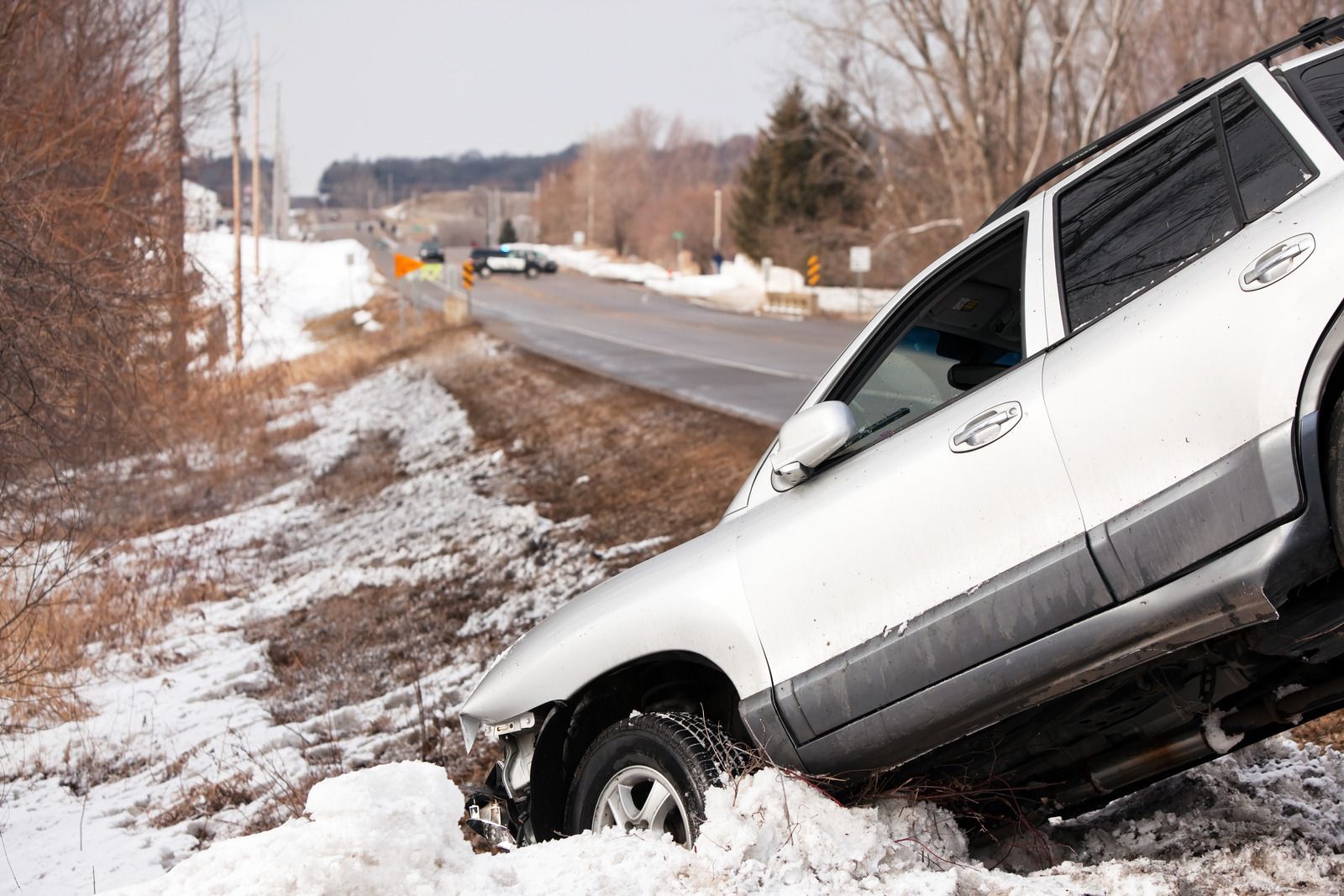
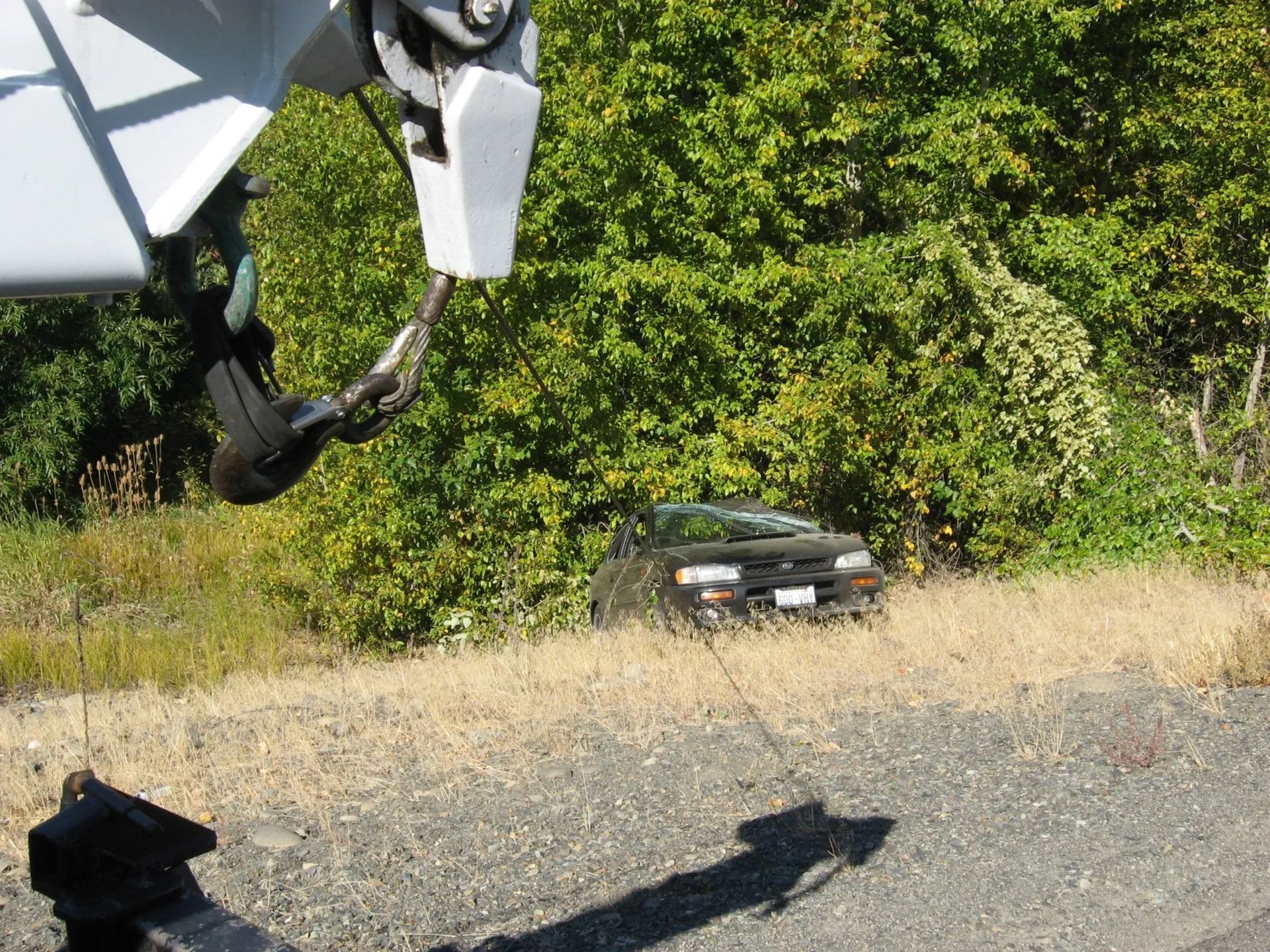
A vehicle stuck in a ditch requires careful assessment of terrain, weight distribution, and extraction angle. Proper judgment prevents additional damage and ensures safe recovery without risking operator safety or equipment failure.
Decision-Making Under Pressure
Rapid decisions are often required when conditions change unexpectedly. Traffic movement, weather shifts, or vehicle instability can alter recovery plans instantly. Strong situational awareness ensures effective problem-solving in real time.
Customer Experience and Roadside Assistance Ethics
Communication During Stressful Situations
Vehicle breakdowns often create panic and uncertainty. Clear communication helps reduce stress by providing accurate arrival times, recovery steps, and reassurance throughout the process. Professional interaction builds trust during emergencies, especially during high-pressure roadside emergency situations.
Transparency in Service Delivery
Clear explanation of procedures, towing methods, and expected timelines ensures customers remain informed. Transparency prevents misunderstandings and builds long-term credibility within the service area and ensures smoother service experience overall.
Example of Customer Interaction
A stranded driver waiting on a remote road benefits from consistent updates and calm communication. Providing reassurance while coordinating recovery improves overall experience, even under difficult conditions and extended waiting periods in isolated locations.
Ethical Service Practices
Honesty, fairness, and accountability define ethical towing operations. Avoiding unnecessary charges, ensuring vehicle safety, and respecting customer property are fundamental principles that guide daily operations in all operational decisions and field interactions.
Business Continuity and Operational Challenges
Managing Seasonal Demand
Weather changes and holiday travel periods significantly increase towing demand. Operational planning includes staffing adjustments, fleet readiness checks, and resource allocation to handle increased service requests efficiently during peak operational cycles and seasonal spikes.
Handling High-Risk Environments
Accident zones, night recoveries, and remote-area breakdowns present operational risks. Proper planning, training, and equipment usage reduce exposure to danger while maintaining service effectiveness under unpredictable and hazardous roadside conditions consistently.
Financial and Logistical Balance
Fuel costs, maintenance expenses, and staffing requirements must be balanced against service pricing. Efficient financial planning ensures sustainability without compromising service quality and supports long-term operational stability across all service regions.
Example of Operational Strain
During severe weather conditions, simultaneous breakdowns across multiple locations can stretch resources. Effective prioritization and teamwork ensure that all cases are managed systematically without service disruption across extended emergency response periods.
Technology Integration in Modern Towing
GPS and Route Optimization
Modern towing operations rely heavily on GPS tracking systems to identify the fastest and safest routes. This reduces response time and improves fuel efficiency during dispatch and enhances overall service precision significantly.
Digital Dispatch Platforms
Automated systems help assign jobs, track vehicle movement, and update service status in real time. This reduces manual errors and improves coordination between dispatch and drivers across fast-paced operational environments efficiently.
Data-Driven Decision Making
Service data is analyzed to identify high-demand areas, peak times, and recurring issues. This information helps improve resource allocation and operational planning for better service optimization and predictive efficiency improvements.
Example of Efficiency Improvement
A tow request received during peak traffic hours is assigned using real-time traffic data. The system selects the least congested route, ensuring faster arrival and improved service efficiency under time-sensitive conditions.
Community Trust and Long-Term Service Reputation
Building Local Reliability
Consistent service quality over time builds strong community trust. Word-of-mouth referrals and repeat customers reflect operational reliability and professionalism within local service networks and surrounding regions.
Importance of Reputation Management
Maintaining a positive reputation requires consistent performance, ethical practices, and customer satisfaction. Every interaction contributes to long-term business credibility and strengthens public confidence in roadside assistance services.
Real-World Community Impact
Reliable roadside assistance reduces traffic disruptions, improves safety, and supports local transportation systems. Dependable service providers become essential parts of community infrastructure and emergency response ecosystems.
Challenges in Reputation Maintenance
Negative incidents, even if rare, require immediate resolution and accountability. Strong communication and corrective action help maintain trust and prevent long-term reputational damage across service networks.
Training, Growth, and Industry Adaptation
Continuous Skill Development
Operators regularly update skills to match evolving vehicle technologies and towing techniques. Training ensures preparedness for hybrid and electric vehicle recovery requirements in modern automotive environments.
Adapting to Industry Changes
Advancements in automotive design require updated towing methods. Staying informed about new vehicle structures and safety systems ensures proper handling during recovery and minimizes operational risks effectively.
Workforce Development Practices
Experienced operators mentor newer staff, ensuring knowledge transfer and operational consistency. This strengthens long-term service quality and reliability across all field operations and emergency response activities.
Reliable Emergency Response Built on Decades of Experience
Family-owned towing operations function through discipline, coordination, and hands-on expertise that ensures reliable roadside assistance under all conditions. From dispatch coordination to fleet maintenance and skilled recovery execution, every stage contributes to safe and efficient service delivery. Strong communication, ethical practices, and advanced technology further enhance operational effectiveness and customer trust. Consistent execution across all these areas ensures that every roadside situation is handled with professionalism and care, even during high-pressure emergencies where time and safety are critical factors. Each recovery operation reflects a commitment to safety, precision, and responsibility, reinforcing the importance of professional towing services in modern transportation systems.
At Dean’s Towing & Auto Service, we carry forward this same commitment with pride and responsibility. Based in Ellensburg, Washington, we have built our reputation over 45
years of dedicated service in roadside recovery and vehicle assistance. Our approach is rooted in hands-on experience, quick decision-making, and a strong focus on safety during every call we respond to. We understand the stress drivers face during breakdowns and accidents, which is why we prioritize clear communication, rapid response, and careful vehicle handling in every situation. Over the decades, we have developed trusted relationships within the community by consistently delivering dependable service when it matters most. Our work is driven by professionalism, integrity, and a commitment to keeping roads safe and drivers supported at all times.