Broke Down on I-90 With Traffic Flying By? How to Stay Safe Roadside
Quick Answer: If your car loses power on I-90 with traffic moving fast around you, your first move is getting off the travel lane, not diagnosing the problem. Use whatever momentum you have left to steer onto the shoulder, as far from the white line as the road allows, then put on your hazard lights right away. Stay buckled inside the car if you're anywhere near the travel lane, since a vehicle absorbs an impact far better than a body standing beside it. Call for a tow once you're safely stopped, and give a mile marker or exit number so help finds you fast. The engine trouble can wait. Getting your car and yourself out of the path of 70-mile-an-hour traffic cannot.
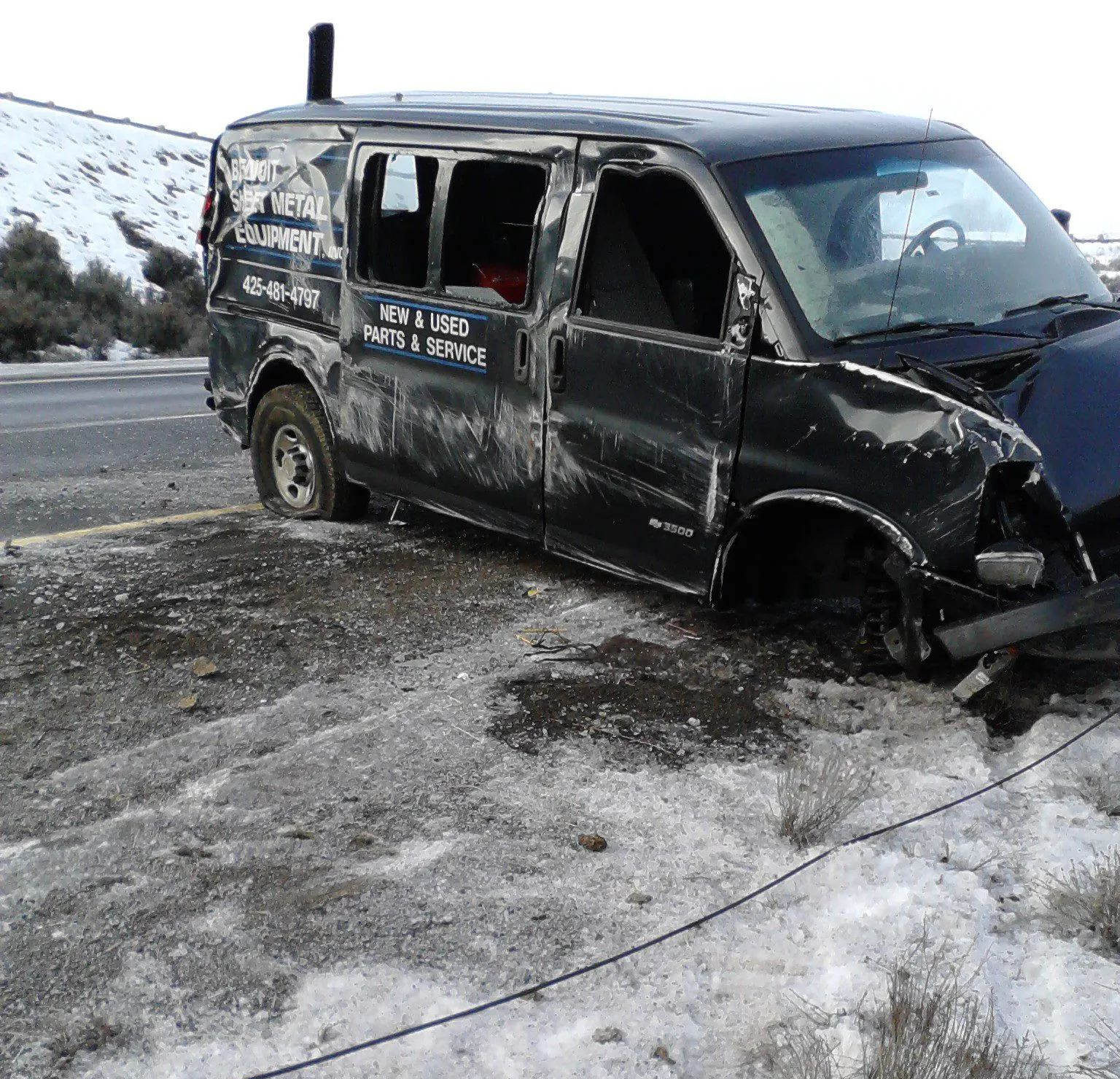
The dash lights flicker, the power steering goes heavy, or the engine just quits, and suddenly you're coasting on a four-lane interstate with a wall of traffic closing in behind you. There's no shoulder in sight yet, cars are doing highway speed in the lane you're losing momentum in, and every second between "something's wrong" and "I'm stopped" feels like it stretches longer than it should. That gap, between losing power and getting fully off the road, is the most dangerous part of the whole breakdown, and what you do inside it matters more than almost anything else that happens afterward.
I-90 through the Kittitas Valley and up into the passes carries a mix of local drivers, long-haul trucks, and people unfamiliar with the road doing highway speed with little warning before a disabled car appears ahead of them. A car stalled in a live lane, even for thirty seconds, is one of the more dangerous places a driver can end up. The good news is that the sequence for handling it is short and doesn't require any mechanical knowledge at all.
Get Off the Travel Lane Before You Do Anything Else
The instant you notice trouble, whether that's a warning light, a shudder, a smell, or a total loss of power, start working the car toward the right edge of the road. Don't wait to see if the problem resolves itself or pull over at the first convenient flat spot if a wider shoulder is only a few hundred feet ahead. A car half on the shoulder and half in the lane is still a hazard to traffic behind it.
Use your remaining momentum and steering to angle right, tap the brakes to signal the slowdown to drivers behind you, and aim for the widest, most level stretch of shoulder you can reach. On the passes and the narrower canyon sections, a true shoulder can be short or nonexistent for stretches, so keep steering toward the first safe pullout even if it means coasting a little further than feels comfortable. Getting fully clear of the white fog line is worth those extra seconds.
Turn your wheels away from traffic once you're stopped. If your car does get struck from behind while parked on the shoulder, wheels angled away from the road send the vehicle further from traffic instead of back into it. It's a small detail, but it's one more layer of protection while you wait.
Make Yourself Something Drivers Notice From Far Away
Highway-speed traffic needs distance and time to register a stopped car and react to it. The earlier a driver behind you sees your vehicle, the more room they have to move over or slow down, so visibility is the job the moment you're stopped.
Hazard lights go on immediately, day or night, rain or clear skies. If it's dark or the weather is poor, and you're carrying a flashlight or reflective triangles, set them out well behind the car, but only if you can do it without walking anywhere near the travel lane. On I-90 at highway speed, that's often not worth the risk, and hazard lights plus a visible car are enough until a tow truck with its own light bar arrives.
At night, leave the dome light on. It draws almost nothing from the battery, and it's the difference between a car a passing driver spots from a distance and one they notice only when they're nearly on top of it. If you have anything bright, a jacket, a cloth, tied to a mirror or antenna, that helps too.
Inside the Car Is Usually the Safer Place to Wait
Once you're stopped and your hazards are on, the instinct is to get out, check under the hood, or stand where you can flag someone down. On a quiet side street, that instinct is harmless. On an interstate shoulder with cars passing at highway speed a few feet away, it's often the riskiest thing you can do.
Stay in the car with your seatbelt fastened if any part of your vehicle is close to the travel lane. A stopped car parked on the shoulder gets clipped more often than most drivers realize, especially when the driver behind is distracted, tired, or drifting during a long stretch of straight interstate. Being inside a seatbelted vehicle gives you far better protection than standing on the shoulder ever will.
Tip: When you call for a tow, give the exact mile marker, the direction of travel, and a landmark if you have one, a specific overpass, a sign, an exit number. Dispatch can find a general location, but a mile marker gets a truck to you faster and means less time sitting exposed on the shoulder.
If you do need to leave the vehicle for any reason, exit from the side facing away from traffic, and move well up the embankment or behind a barrier if one exists, rather than standing next to the car. The farther you are from the white line, the more margin you have if a passing vehicle drifts.
Why the Traffic Flying By Is the Real Risk, Not the Engine
It's easy to fixate on what's wrong with the car, but the mechanical problem is rarely what turns a breakdown into something worse. The traffic moving past at 70 miles an hour is. Most states, Washington included, expect drivers approaching a stopped vehicle with hazard lights on to slow down and move over a lane when it's safe to do so. In practice, not every driver does, especially on a stretch of interstate where attention drifts on long, straight sections between Ellensburg and the summit.
That's why the posture that keeps you safest isn't about trusting other drivers to behave a certain way. It's about assuming some won't, and keeping yourself in the position that protects you either way: fully off the traffic lane, visible, and inside the vehicle rather than standing beside it.
The same logic applies to anything you might be tempted to do to fix the problem yourself. Popping the hood to look at the engine, checking a tire, or trying to diagnose the issue all put you standing at the front or side of the car, exactly where a passing vehicle would strike first if it drifted onto the shoulder.
Warning: Never stand behind, in front of, or beside your car on an interstate shoulder to inspect damage, wave at traffic, or try to flag someone down for help. That position puts you directly in the path of any vehicle that drifts, brakes late, or loses control near the same spot. Stay inside with your seatbelt fastened until a tow truck arrives and can safely block traffic behind your car.
What Happens Once You Call for a Tow
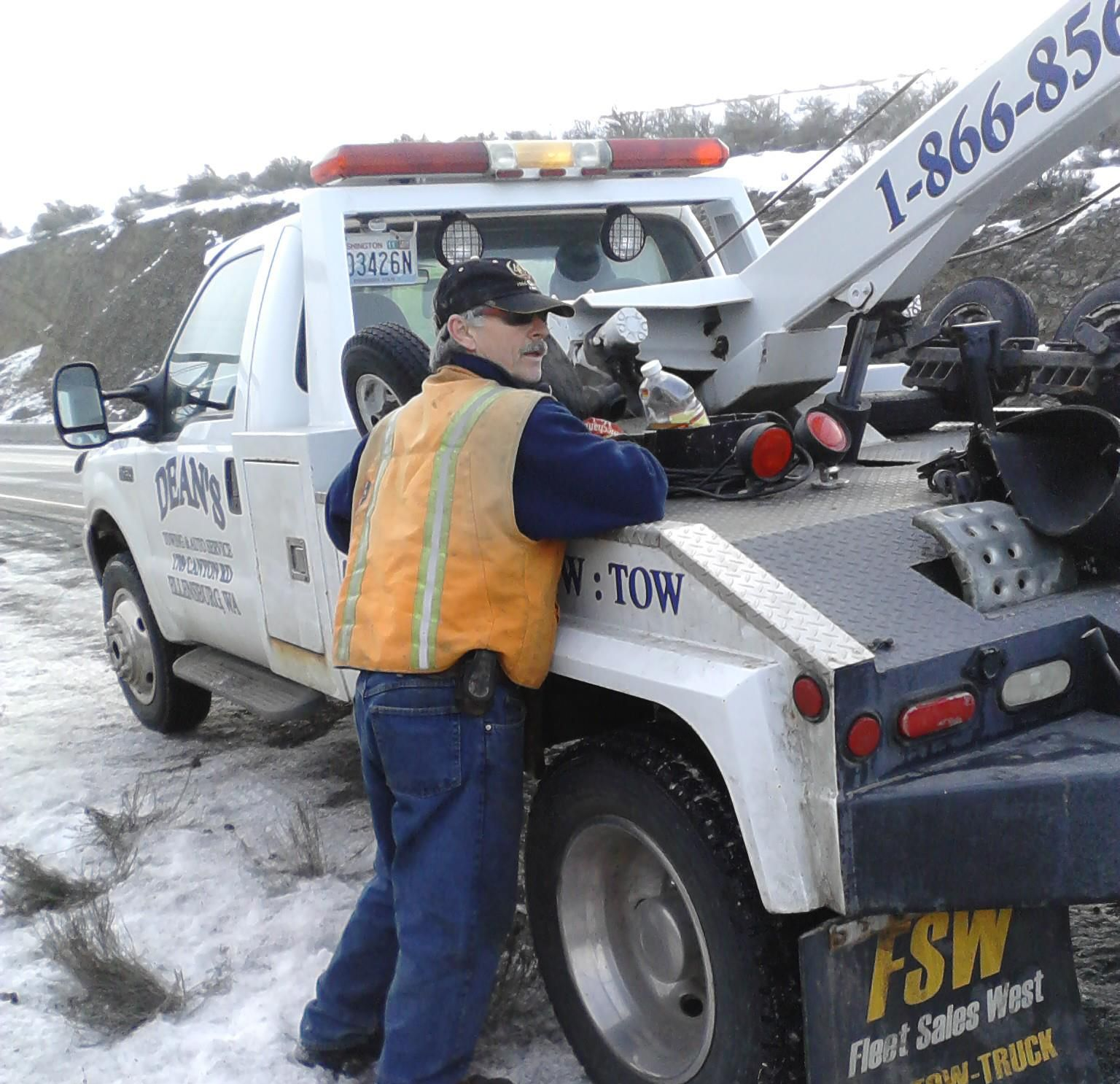
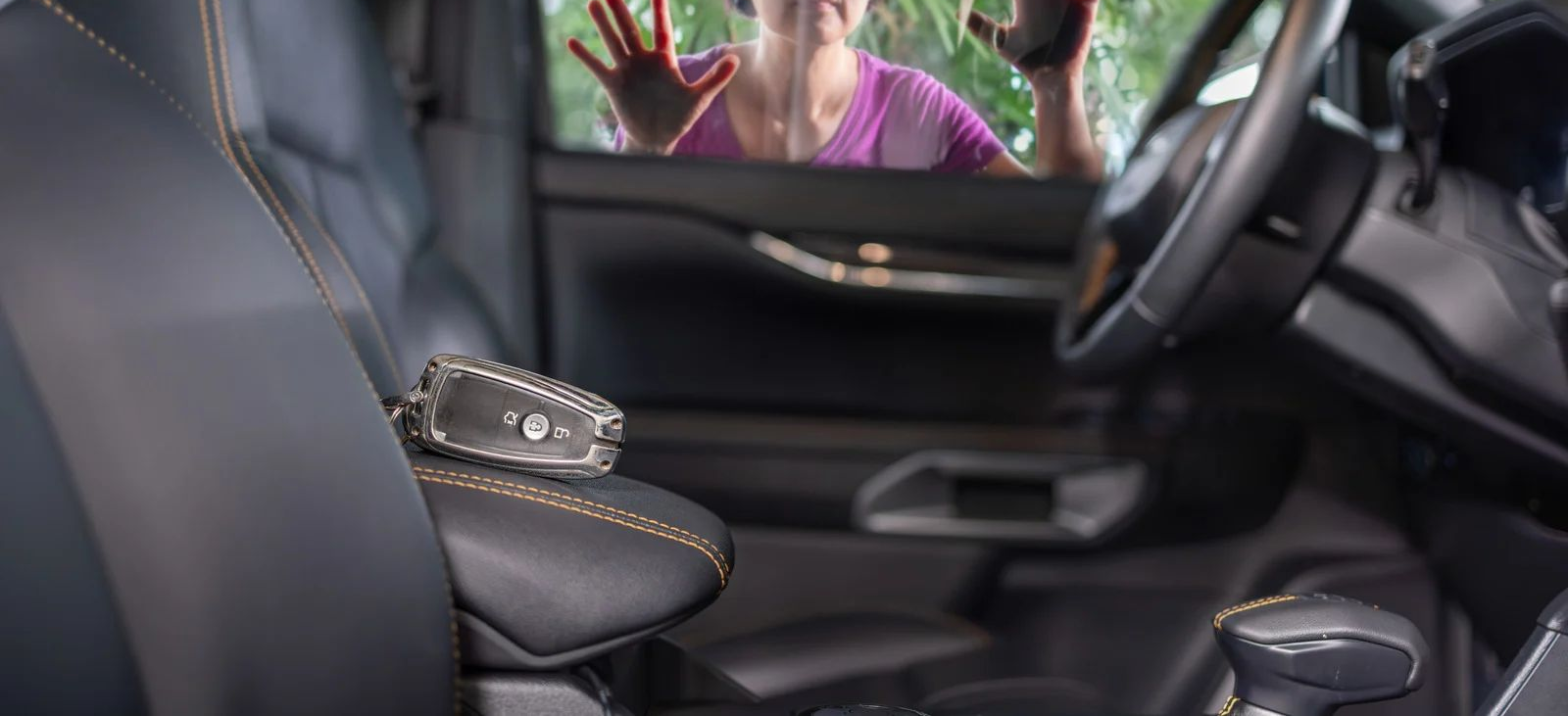
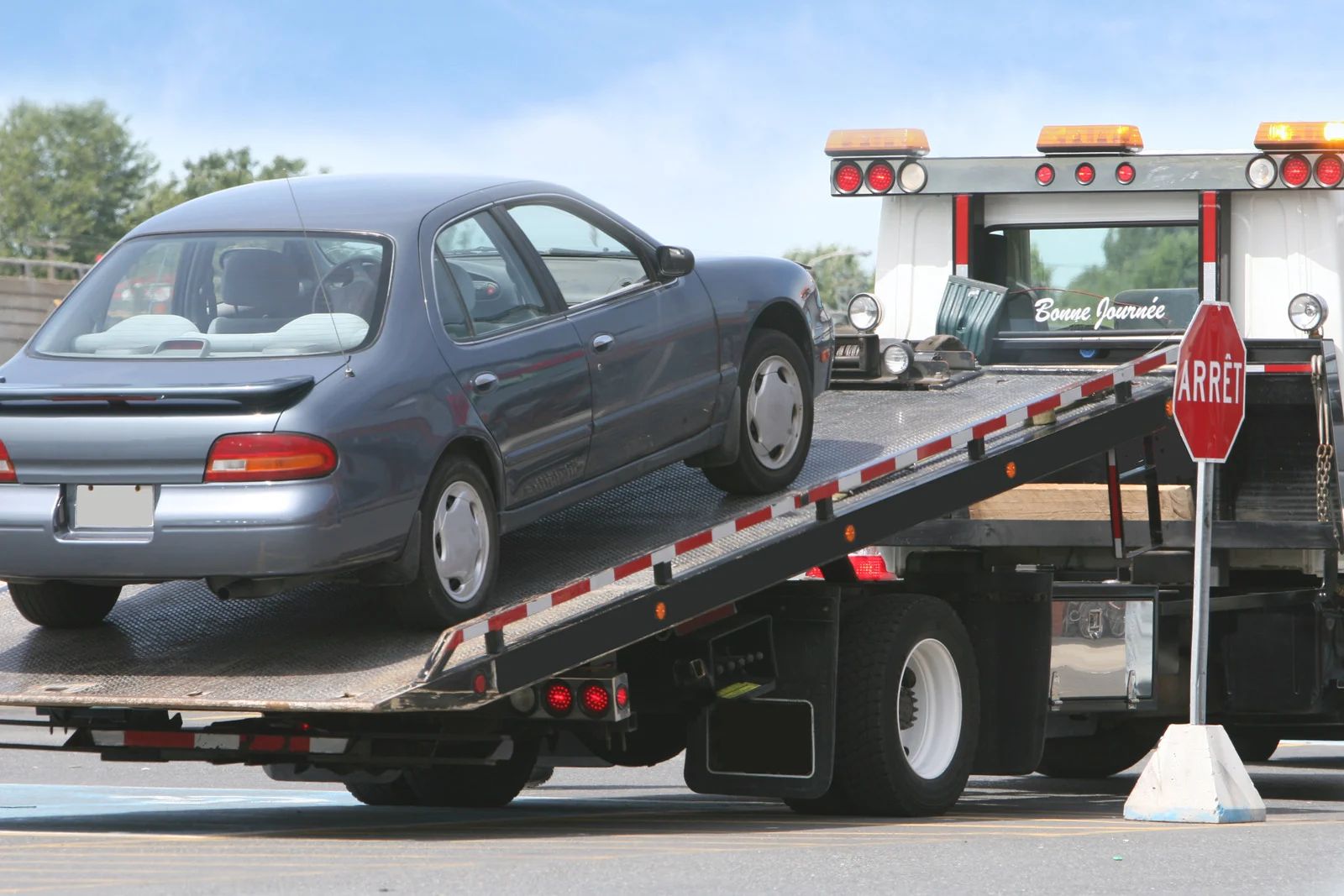
Once you've called and given your location, the wait becomes the manageable part. A roadside operator arrives already prepared for the most common reasons cars stop on I-90: a dead battery, a flat tire with no usable spare, a lockout after an unrelated stop, or an engine problem serious enough that driving further isn't safe. Dean's Towing has handled breakdowns on this stretch of interstate and through the passes for 45 years, and that background means the crew that reaches you is usually diagnosing the situation before they even step out of the truck, based on where you are, the weather, and what you've described on the phone.
A tow truck arriving at a disabled car on the shoulder does more than hook up and pull away. The truck itself, positioned correctly with its own lights running, becomes a physical buffer between your car and the traffic lane, which is part of why staying put and waiting for that truck is safer than trying to limp the car to the next exit on a wheel that's failing or an engine that's overheating. Once the truck is positioned, loading or repairs can happen with a real barrier between the work and the passing lane.
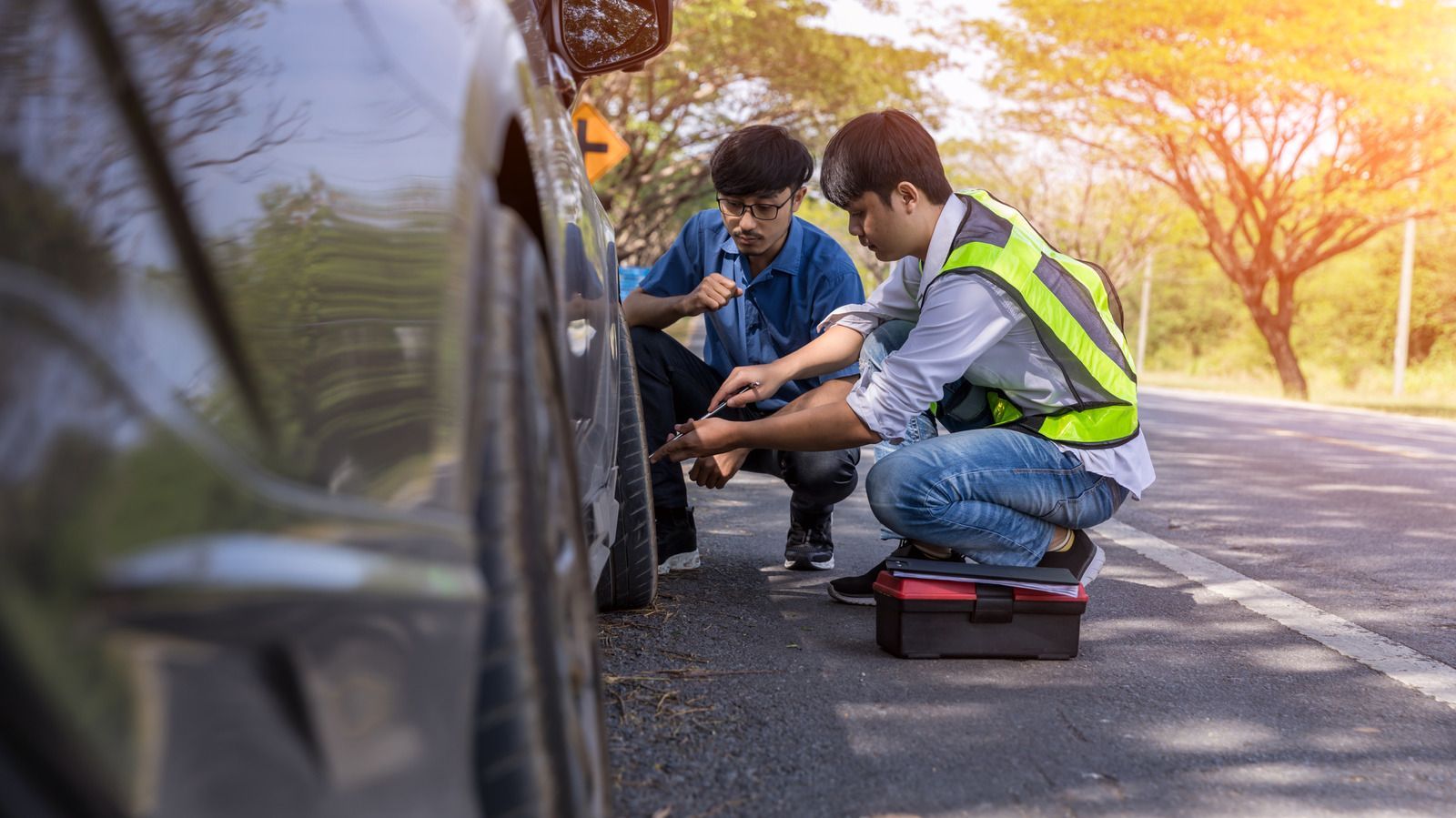
If the issue turns out to be something simple, a dead battery or a flat tire with a usable spare, that gets handled right there on the shoulder once the truck has you shielded from traffic. If it's something the car can't safely finish the trip with, you're towed to a shop instead of pushing on and hoping the problem doesn't get worse on the climb toward the pass.
Common Mistakes That Turn a Simple Breakdown Into Something Bigger
A few habits show up again and again in breakdowns that go sideways. Walking along the interstate shoulder to reach an exit or a call box, rather than staying with the car, puts a person on foot next to fast-moving traffic for a stretch of road with little to no separation. It's almost always safer to stay with the vehicle and call for help than to go looking for it on foot.
Trying to nurse a struggling car past the next exit instead of pulling over the moment trouble starts is another one. An engine that's overheating, a tire that's losing air, or a transmission that's slipping rarely gets better with another mile of driving, and pushing further can turn a roadside tow into a more serious mechanical failure, sometimes in a spot with even less shoulder to work with.
Standing at the trunk or rear bumper to unload something, check a tire, or wait for the tow truck is another common one. Traffic approaches from behind, and that's exactly where a driver ends up if they're focused on the car ahead and don't register a stopped vehicle in time. Waiting inside the car, or well off the shoulder entirely, keeps you out of that path.
Frequently Asked Questions
Should I stay in my car if I break down on I-90?
In most cases, yes. If any part of your vehicle sits near the travel lane, staying buckled inside protects you better than standing outside, since parked cars on the shoulder still get struck by passing traffic.
What's the first thing I should do if my car loses power on the highway?
Steer toward the shoulder using whatever momentum you have left, tap the brakes to signal drivers behind you, and get as far right as the road allows. Hazard lights go on immediately, before you check anything.
Is it safe to check under the hood while I'm waiting for a tow?
It's generally not worth the risk on a highway shoulder. Standing at the front of the car puts you exactly where a drifting vehicle strikes first. Let the tow operator inspect it once they arrive.
How do I make sure a tow truck finds me quickly on I-90?
Give the exact mile marker, your direction of travel, and any nearby landmark, an exit number, an overpass, a visible sign. A specific location beats a general description, especially where exits sit far apart.
What if there's no real shoulder where I broke down?
Some sections of I-90 through the passes and canyon have narrow or nonexistent shoulders. If you can't get fully clear, stay buckled with hazards on, call immediately, and describe your exact position clearly.
Should I try to restart the car repeatedly if it won't stay running?
A few reasonable attempts are fine, but repeated cranking rarely fixes a mechanical issue and drains whatever charge is left. After a couple of tries, stop, keep your hazards on, and call for a tow.
Why Your Position Matters More Than the Engine
A breakdown on I-90 feels urgent because the car has stopped cooperating, but the mechanical problem is rarely what puts anyone at risk. What matters in those first few minutes is where the car sits relative to moving traffic and whether the people inside are buckled and visible. Getting fully clear of the fog line, turning on the hazards, and staying seated handles almost all of it. The engine trouble stays exactly as fixable an hour later.
Drivers who come through a highway breakdown without a second incident tend to be the ones who treated the shoulder as somewhere to wait rather than somewhere to work. Dean’s Towing & Auto Service
has been responding to stalled cars around Ellensburg, WA and up through the passes for 45
years, long enough to know that a truck parked correctly behind a disabled vehicle does more for safety than any repair attempted before it arrives.